
Practice question
Question
Penicillin secreted by fungi harming bacteria is an example of:
Explanation
Penicillin production illustrates antibiosis and is commonly classified as amensalism when susceptible bacteria are harmed while the fungus is assumed to be unaffected. Penicillin binds penicillin-binding proteins and inhibits transpeptidation of peptidoglycan, weakening the bacterial cell wall. Actively growing cells then become vulnerable to osmotic lysis. In ecological sign notation, this simplified interaction is (0, −), unlike parasitism (+, −), mutualism (+, +), or competition (−, −). However, assigning zero effect to the fungus is an assumption. If bacterial suppression releases nutrients or space and improves fungal fitness, the same mechanism functions as interference competition rather than strict amensalism. Natural antibiotic concentrations, diffusion, microbial resistance, and community context determine the actual outcome; laboratory inhibition does not automatically establish the producer’s benefit. Penicillin also affects only bacteria with susceptible cell-wall machinery and is ineffective against organisms lacking peptidoglycan. The example is valuable because it separates the biochemical mechanism—an inhibitory metabolite—from the ecological classification, which depends on measured fitness effects for both participants.
Related blogs
Guides and insights connected to this topic
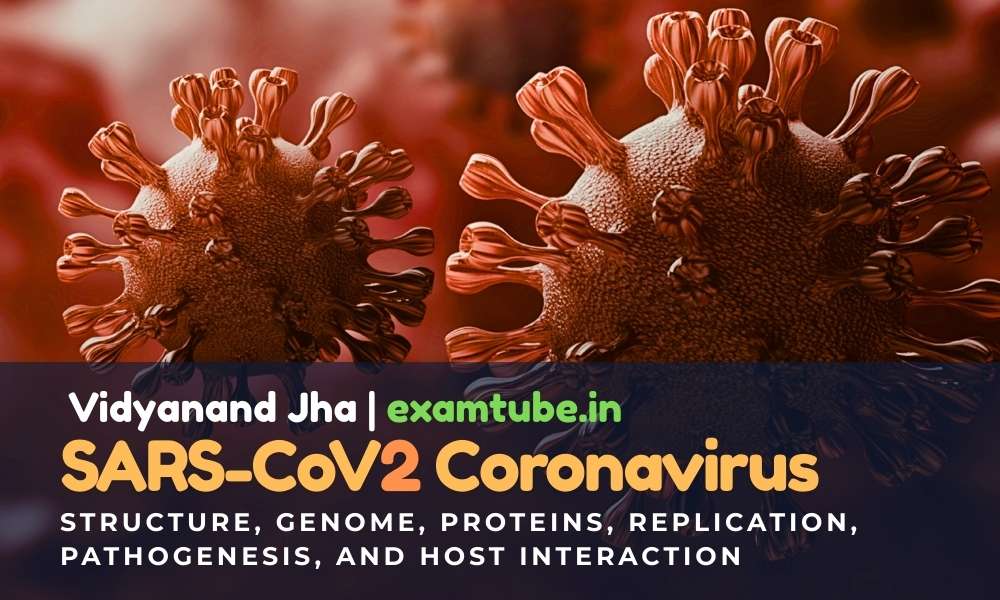
SARS-CoV-2 Coronavirus: Structure, Genome, Proteins, Replication, Pathogenesis, and Host Interaction
Coronavirus Overview Coronaviruses (CoVs) are enveloped viruses (surrounded by a lipid membrane derived from host cells), belonging to the s...

Cucumber Mosaic Virus (CMV): Structure, Genome, Symptoms, Disease Cycle and Management
Cucumber Mosaic Virus (CMV): Introduction and Importance Cucumber Mosaic Virus (CMV) (plant-infecting RNA virus) is one of the most economic...
Eukaryotic DNA Isolation: Principle, Materials, Procedure and Results
What is DNA Extraction? Deoxyribonucleic acid (DNA) extraction is the process by which DNA is separated from proteins, membranes, and other...