
Practice question
Question
In inhibition model of succession:
Explanation
The inhibition model gives early occupants a negative effect on later colonists. Once pioneers establish, they monopolize space, light, nutrients, or attachment sites, or they release inhibitory chemicals, thereby preventing other species from recruiting successfully. Succession proceeds mainly when residents die, are damaged, or are removed by consumers or disturbance, creating openings that another species can occupy. The first colonist need not prepare the site for its successor and may even be a long-lived species, so the sequence depends strongly on arrival order and priority effects. In facilitation, the sign of the interaction is opposite: early species improve conditions for later ones. Tolerance allows later species to establish without either requiring help or being completely excluded, followed by replacement through competitive traits. Saying later species inhibit early ones reverses the defining causal direction. Therefore, early species preventing later ones expresses the mechanism of inhibition. Rocky intertidal communities, where established organisms pre-empt limited surface area, provide a classic context in which such priority effects can shape succession.
Related blogs
Guides and insights connected to this topic
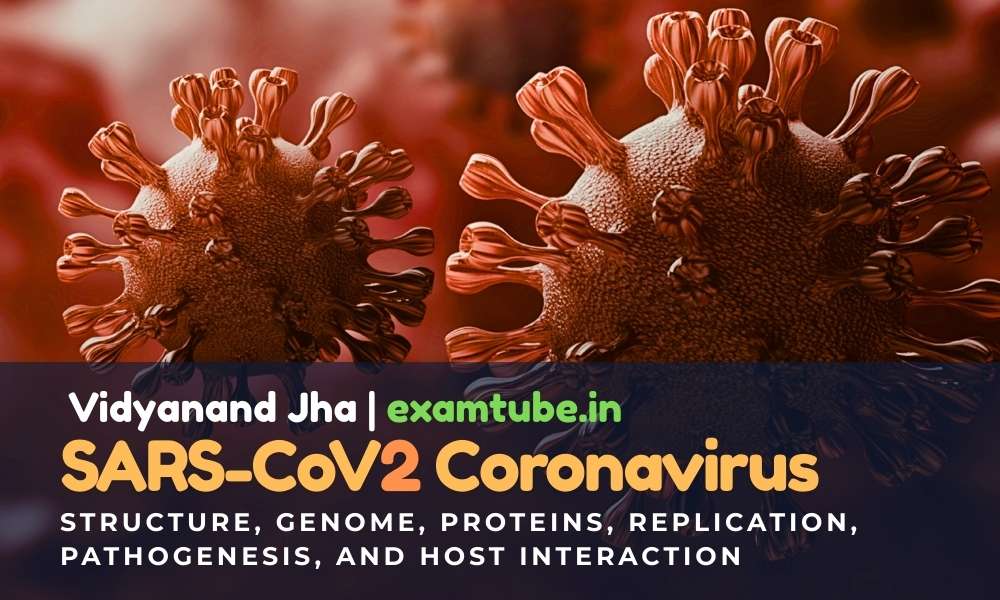
SARS-CoV-2 Coronavirus: Structure, Genome, Proteins, Replication, Pathogenesis, and Host Interaction
Coronavirus Overview Coronaviruses (CoVs) are enveloped viruses (surrounded by a lipid membrane derived from host cells), belonging to the s...

Coronavirus Structure, Genome, Replication, Symptoms, Pathogenesis, and Prevention
Structure of Coronavirus Coronaviruses (enveloped RNA viruses) fall in the virus family Coronaviridae, order Nidovirales. They are enveloped...

Cucumber Mosaic Virus (CMV): Structure, Genome, Symptoms, Disease Cycle and Management
Cucumber Mosaic Virus (CMV): Introduction and Importance Cucumber Mosaic Virus (CMV) (plant-infecting RNA virus) is one of the most economic...