
Practice question
Question
Ecocline represents:
Explanation
An ecocline is a gradual change in species composition or community structure along a continuous environmental gradient. Moving from low to high elevation, dry to wet soil, or low to high salinity may progressively replace species according to their physiological tolerances and competitive abilities. Boundaries are diffuse because the underlying environmental variable changes continuously. An ecotone, by contrast, is often described as a more recognizable transition zone between adjacent communities, although the two terms sometimes overlap in ecological usage. A sharp ecosystem boundary is therefore not the defining feature of an ecocline. Neither sudden diversity loss nor invasion is required; diversity may rise, fall, or peak along the gradient depending on turnover, productivity, stress, and overlap. Ecoclines can be studied with transects and ordination, which reveal how abundances track environmental axes. Individual species may have different optima and tolerance curves, so whole-community composition changes through overlapping responses rather than all taxa switching at one point. The concept emphasizes continuity and gradient-driven replacement, linking species-level tolerance to landscape patterns of beta diversity.
Related blogs
Guides and insights connected to this topic

SARS-CoV-2 Coronavirus: Structure, Genome, Proteins, Replication, Pathogenesis, and Host Interaction
Coronavirus Overview Coronaviruses (CoVs) are enveloped viruses (surrounded by a lipid membrane derived from host cells), belonging to the s...
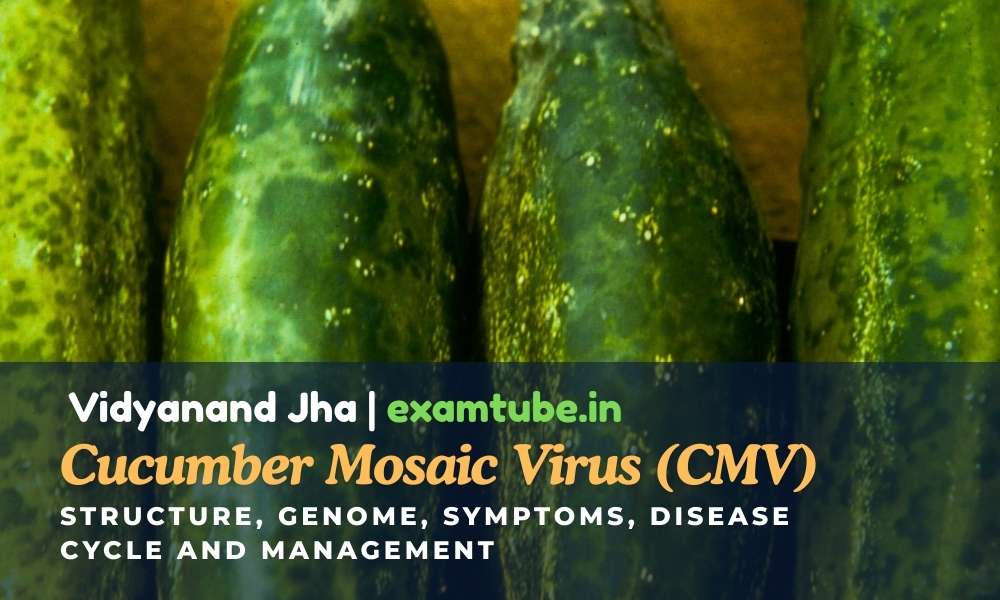
Cucumber Mosaic Virus (CMV): Structure, Genome, Symptoms, Disease Cycle and Management
Cucumber Mosaic Virus (CMV): Introduction and Importance Cucumber Mosaic Virus (CMV) (plant-infecting RNA virus) is one of the most economic...
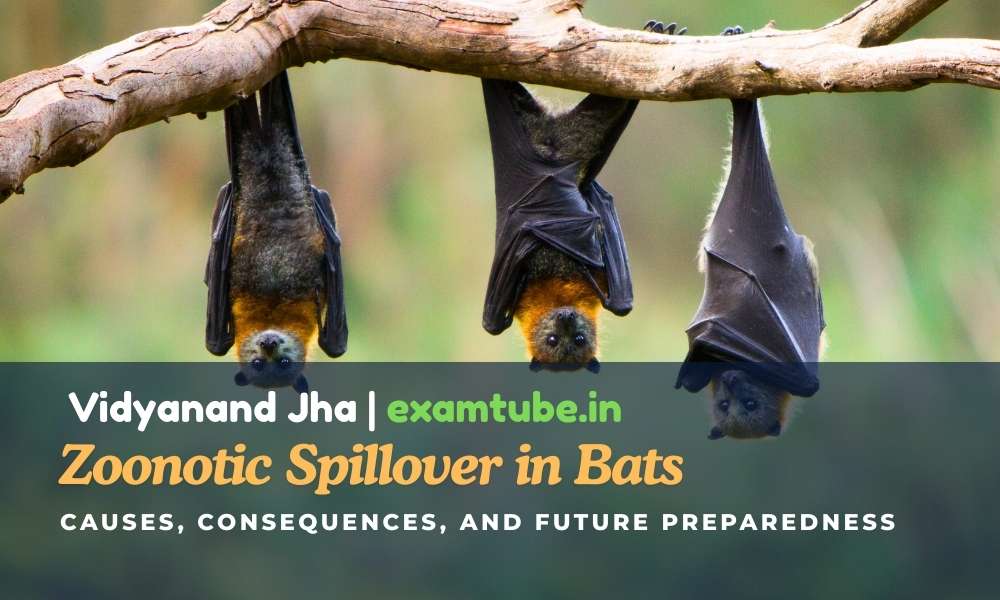
Zoonotic Spillover in Bats: Causes, Consequences, and Future Preparedness
Bats: General Characteristics and Classification Bats are small mammals capable of true sustained flight. They belong to the second-largest...