
Practice question
Question
Why do phytoplankton form the base of aquatic food chains despite having low biomass?
Explanation
Phytoplankton maintain aquatic food chains despite low standing biomass because their populations have rapid cell division and high turnover. Consumers may remove cells nearly as quickly as they are produced, so a small biomass measured at one moment can generate large annual primary production. This is analogous to a small, rapidly replenished account supporting a large flow. Nutrient supply, light, and grazing regulate the rate, while edible, non-lignified cells often permit efficient transfer to zooplankton. Pyramid shape is an accounting result with biological causes, including body-size distributions, tissue longevity, consumption, assimilation, respiration, and population turnover. A snapshot may differ seasonally, especially in plankton or annual vegetation, whereas integrated production better represents ecosystem functioning across time. The ten-percent heuristic is useful for prediction but not exact; empirical transfer efficiencies vary with food quality, ectothermy, producer defenses, and detrital routing. Higher trophic levels are often vulnerable because low energy supply produces small populations that are sensitive to habitat fragmentation and environmental variability.
Related blogs
Guides and insights connected to this topic

SARS-CoV-2 Coronavirus: Structure, Genome, Proteins, Replication, Pathogenesis, and Host Interaction
Coronavirus Overview Coronaviruses (CoVs) are enveloped viruses (surrounded by a lipid membrane derived from host cells), belonging to the s...
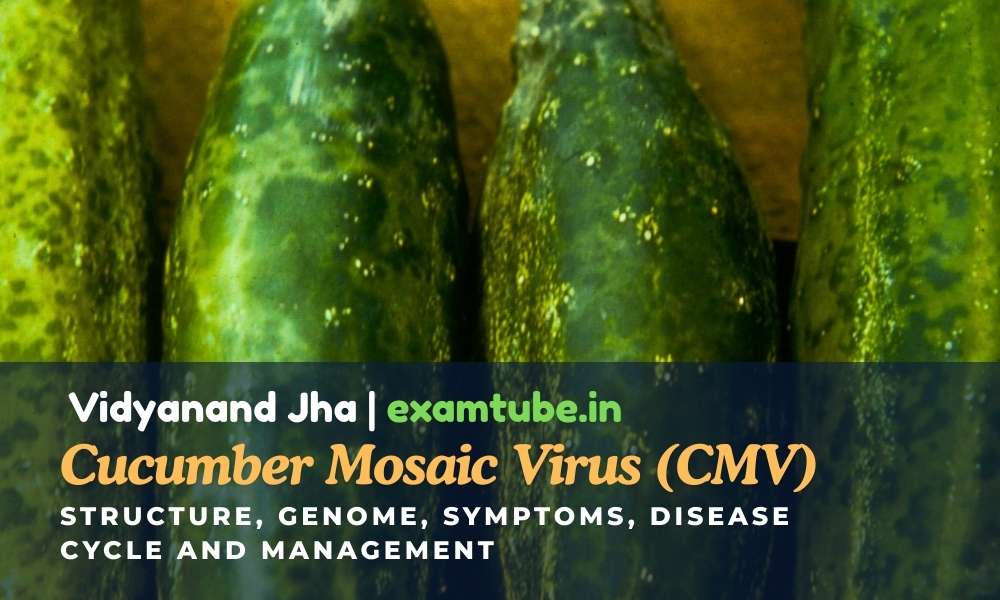
Cucumber Mosaic Virus (CMV): Structure, Genome, Symptoms, Disease Cycle and Management
Cucumber Mosaic Virus (CMV): Introduction and Importance Cucumber Mosaic Virus (CMV) (plant-infecting RNA virus) is one of the most economic...
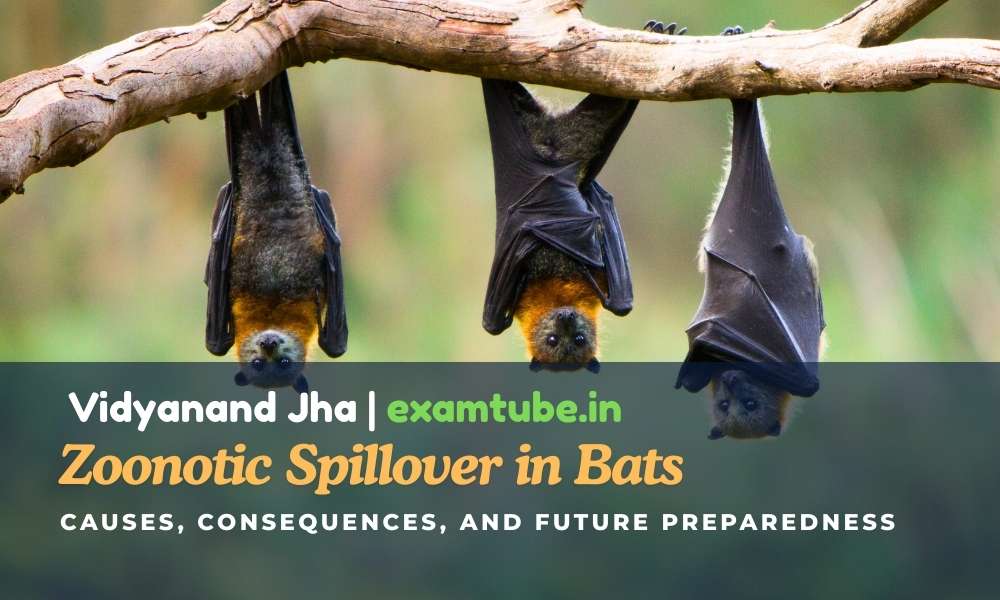
Zoonotic Spillover in Bats: Causes, Consequences, and Future Preparedness
Bats: General Characteristics and Classification Bats are small mammals capable of true sustained flight. They belong to the second-largest...