
Practice question
Question
Why are inclusion bodies formed in E. coli?
Explanation
Inclusion bodies represent dense, insoluble cytoplasmic aggregates of misfolded recombinant protein accumulating in Escherichia coli during overexpression. High synthesis rates under strong promoters saturate GroEL, DnaK chaperone pathways, exposing hydrophobic patches that promote intermolecular association. Insufficient time for proper folding, absence of eukaryotic folding catalysts, and reducing environment preventing disulfide formation further exacerbate aggregation. Aggregates are refractile, biologically inactive, and require chaotropic agents for solubilization. Their formation reflects protein quality control failure rather than growth rate, protease action, or DNA recombination deficiency alone.
Related blogs
Guides and insights connected to this topic
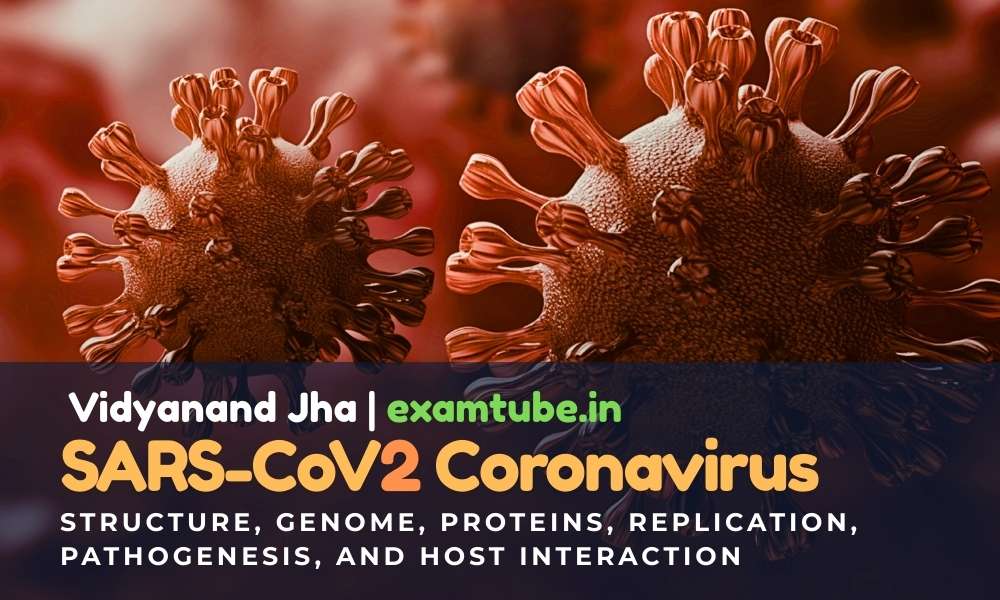
SARS-CoV-2 Coronavirus: Structure, Genome, Proteins, Replication, Pathogenesis, and Host Interaction
Coronavirus Overview Coronaviruses (CoVs) are enveloped viruses (surrounded by a lipid membrane derived from host cells), belonging to the s...

Coronavirus Structure, Genome, Replication, Symptoms, Pathogenesis, and Prevention
Structure of Coronavirus Coronaviruses (enveloped RNA viruses) fall in the virus family Coronaviridae, order Nidovirales. They are enveloped...

Cucumber Mosaic Virus (CMV): Structure, Genome, Symptoms, Disease Cycle and Management
Cucumber Mosaic Virus (CMV): Introduction and Importance Cucumber Mosaic Virus (CMV) (plant-infecting RNA virus) is one of the most economic...