
Practice question
Question
Which trait is NOT typical of r-strategists?
Explanation
High parental investment is inconsistent with the usual r-selected syndrome. Early reproduction, short generation time, many small offspring, effective dispersal, and use of disturbed habitats all promote rapid colonization. Extensive care consumes time and energy per offspring, reduces the number produced, and is more characteristic of the K-selected end, where competition is intense and survival of each juvenile has high value. Life-history traits should be interpreted as correlated tendencies rather than rigid packages. Adult survival, juvenile mortality, body size, development time, fecundity, and parental investment interact. The central reasoning is evolutionary allocation: selection favors the schedule that maximizes lifetime reproductive success within a particular environment, even when that schedule reduces survival or reproduction at another stage. This causal chain is what makes the keyed content ecologically meaningful rather than merely definitional. This interpretation connects individual-level processes with measurable changes in survival, reproduction, recruitment, or abundance across the population. Field evidence should therefore be compared with the model assumptions before extending the conclusion to every species, habitat, or time period.
Related blogs
Guides and insights connected to this topic
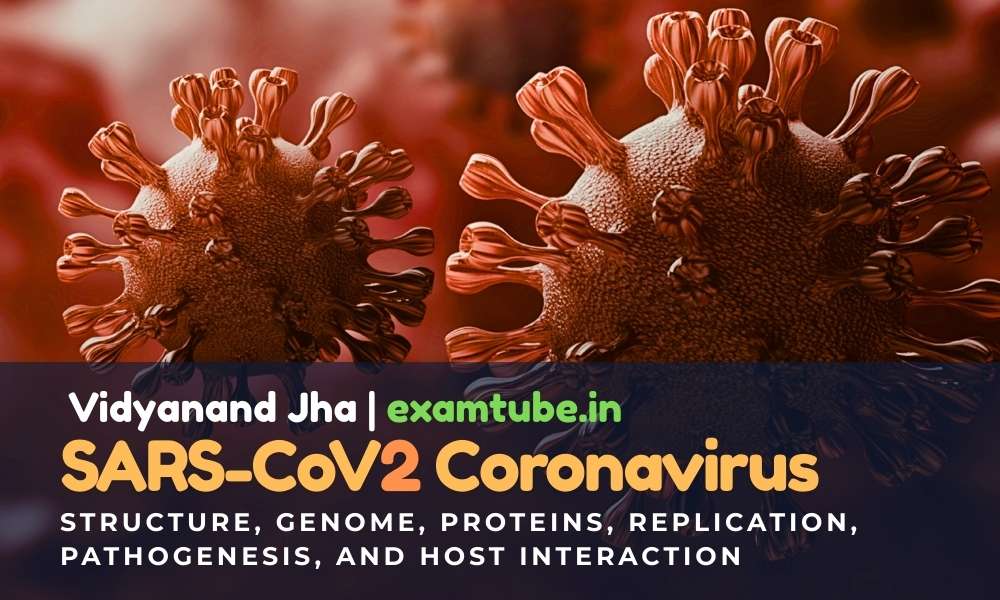
SARS-CoV-2 Coronavirus: Structure, Genome, Proteins, Replication, Pathogenesis, and Host Interaction
Coronavirus Overview Coronaviruses (CoVs) are enveloped viruses (surrounded by a lipid membrane derived from host cells), belonging to the s...
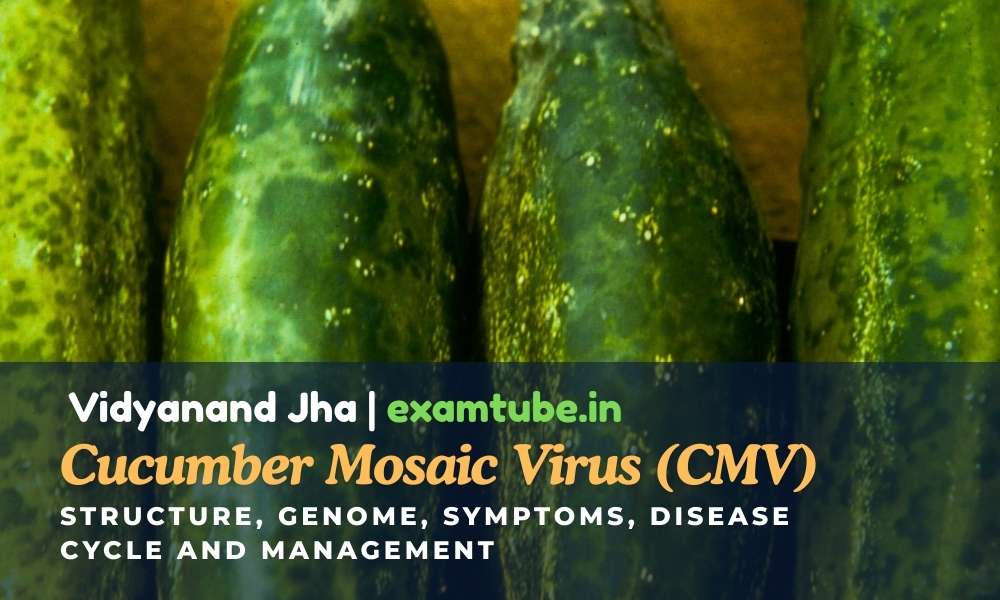
Cucumber Mosaic Virus (CMV): Structure, Genome, Symptoms, Disease Cycle and Management
Cucumber Mosaic Virus (CMV): Introduction and Importance Cucumber Mosaic Virus (CMV) (plant-infecting RNA virus) is one of the most economic...
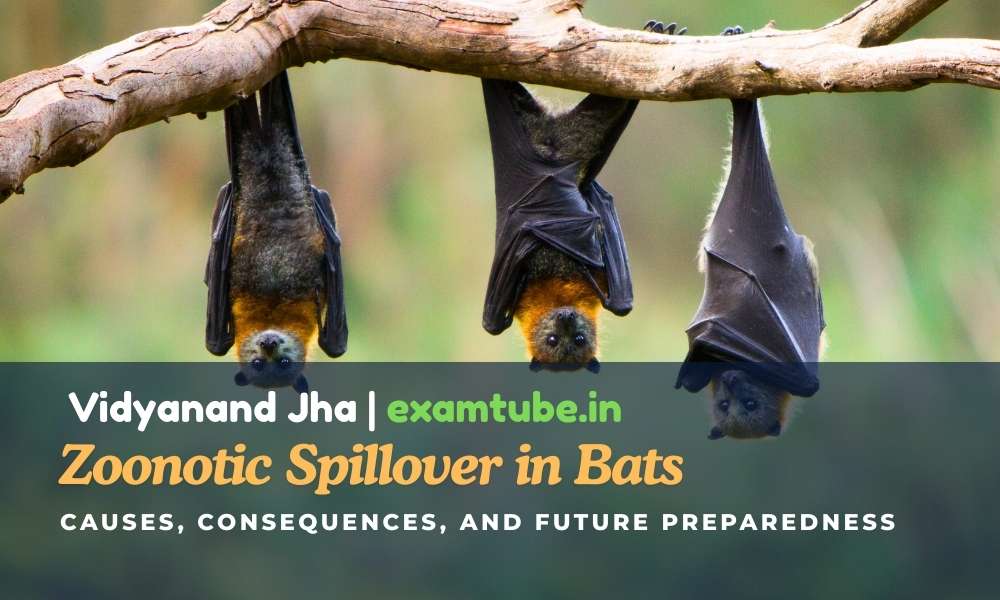
Zoonotic Spillover in Bats: Causes, Consequences, and Future Preparedness
Bats: General Characteristics and Classification Bats are small mammals capable of true sustained flight. They belong to the second-largest...