
Practice question
Question
Which term refers to organisms attached to submerged surfaces?
Explanation
Periphyton is the community attached to submerged surfaces such as stones, sediments, wood, macrophyte stems, and artificial structures. It commonly includes algae, cyanobacteria, bacteria, fungi, protozoans, detritus, and small invertebrates embedded in an extracellular matrix. Because these organisms remain associated with a surface, periphyton can intercept dissolved nutrients and sunlight and may contribute strongly to primary production in shallow streams, lake margins, and wetlands. Grazing snails, insect larvae, tadpoles, and fishes often feed on this coating, linking it to higher trophic levels. Plankton, by contrast, drift in the water column; nekton swim strongly enough to move independently of currents; neuston occupy the air-water interface; and benthos broadly inhabit the bottom, whether attached, crawling, or burrowing. Periphyton may be part of the benthic community, but the term specifically emphasizes growth on submerged substrates. Its abundance responds to light, nutrient concentration, flow, grazing, and disturbance, making it useful in water-quality assessment. Attachment is therefore the diagnostic ecological feature represented by periphyton.
Related blogs
Guides and insights connected to this topic

SARS-CoV-2 Coronavirus: Structure, Genome, Proteins, Replication, Pathogenesis, and Host Interaction
Coronavirus Overview Coronaviruses (CoVs) are enveloped viruses (surrounded by a lipid membrane derived from host cells), belonging to the s...

Coronavirus Structure, Genome, Replication, Symptoms, Pathogenesis, and Prevention
Structure of Coronavirus Coronaviruses (enveloped RNA viruses) fall in the virus family Coronaviridae, order Nidovirales. They are enveloped...
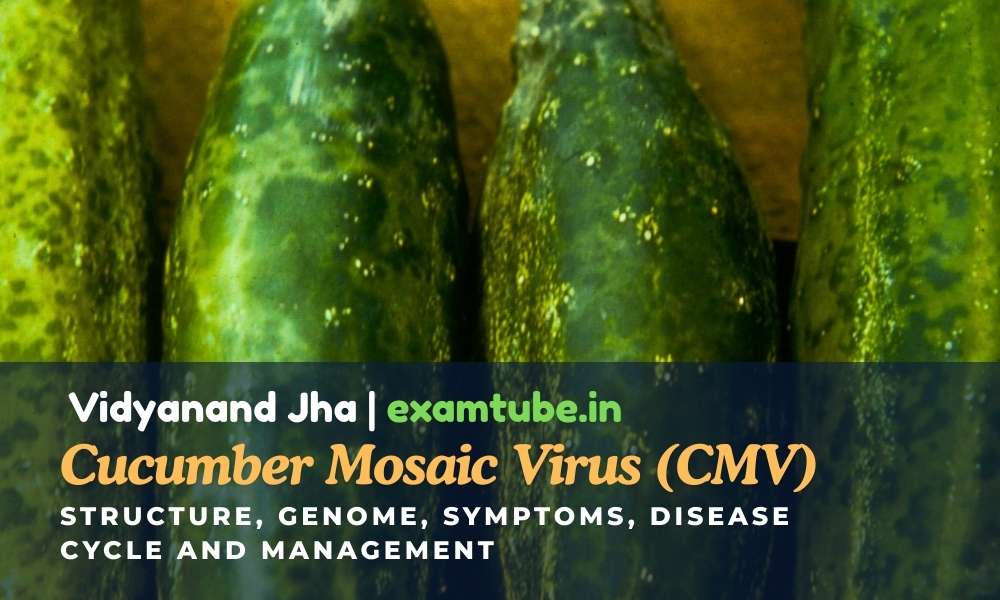
Cucumber Mosaic Virus (CMV): Structure, Genome, Symptoms, Disease Cycle and Management
Cucumber Mosaic Virus (CMV): Introduction and Importance Cucumber Mosaic Virus (CMV) (plant-infecting RNA virus) is one of the most economic...