
Practice question
Question
Which technique uses fluorescent dyes and near-infrared light for deep tissue imaging?
Explanation
Two-photon imaging employs pulsed near-infrared lasers and fluorescent markers excitable via simultaneous two-photon absorption. Infrared penetrates tissue with minimal scattering and absorption by hemoglobin, enabling imaging hundreds of microns deep. Because excitation probability falls quadratically outside focus, fluorescence originates only at focal plane, reducing phototoxicity. Fluorochromes may be synthetic dyes or genetically encoded proteins tuned for two-photon cross-section. Unlike TIRF limited to coverslip proximity or STORM needing photoswitching dyes, two-photon uniquely combines deep infrared penetration with fluorescent labeling for intravital studies of brain, immune organs, and tumors.
Related blogs
Guides and insights connected to this topic
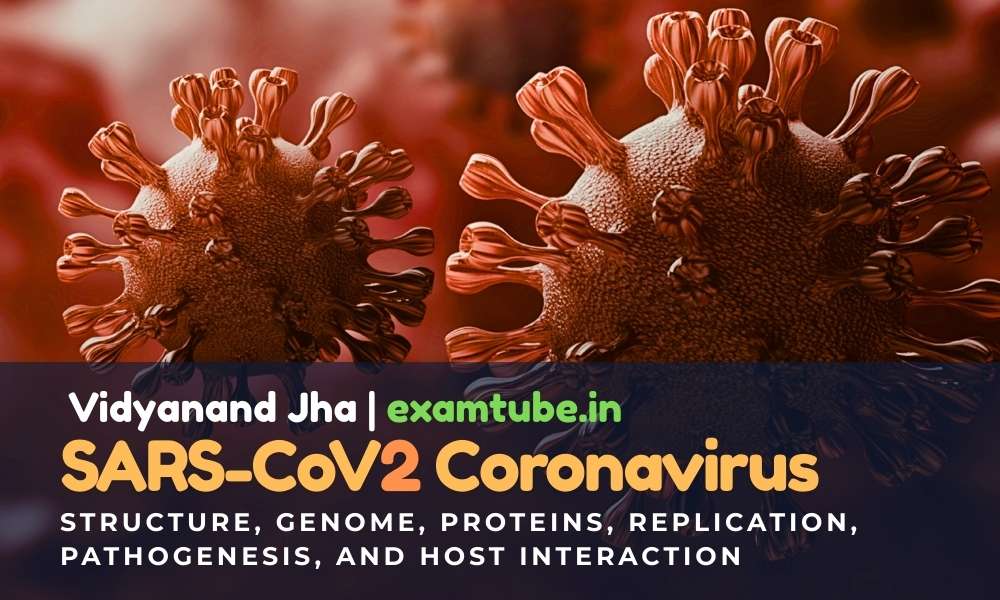
SARS-CoV-2 Coronavirus: Structure, Genome, Proteins, Replication, Pathogenesis, and Host Interaction
Coronavirus Overview Coronaviruses (CoVs) are enveloped viruses (surrounded by a lipid membrane derived from host cells), belonging to the s...

Coronavirus Structure, Genome, Replication, Symptoms, Pathogenesis, and Prevention
Structure of Coronavirus Coronaviruses (enveloped RNA viruses) fall in the virus family Coronaviridae, order Nidovirales. They are enveloped...
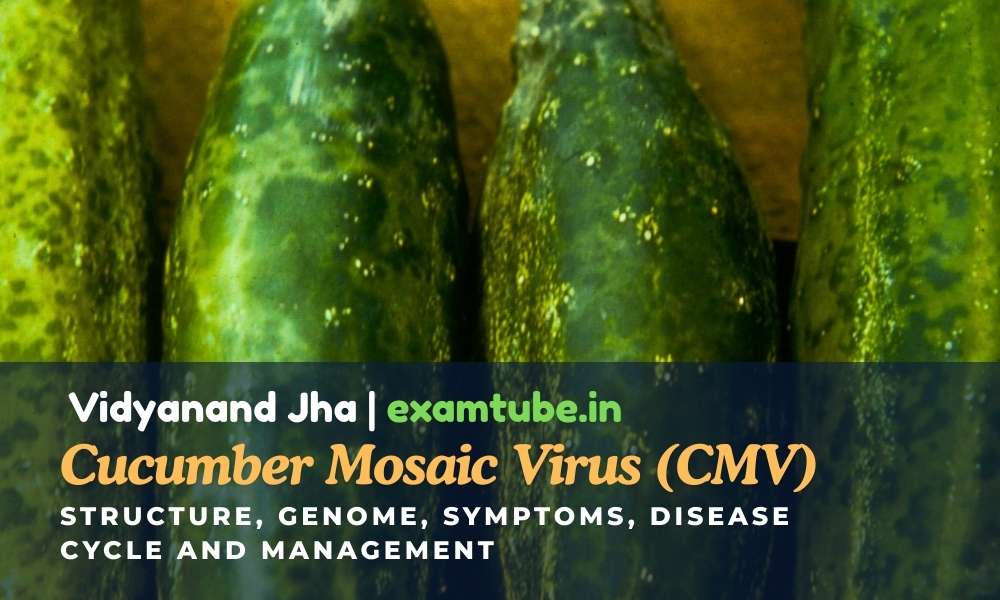
Cucumber Mosaic Virus (CMV): Structure, Genome, Symptoms, Disease Cycle and Management
Cucumber Mosaic Virus (CMV): Introduction and Importance Cucumber Mosaic Virus (CMV) (plant-infecting RNA virus) is one of the most economic...