
Practice question
Question
Which scanning probe technique maps surface using van der Waals and electrostatic forces?
Explanation
AFM operates by sensing interatomic forces between sharp tip and sample surface. Cantilever deflection reflects van der Waals attraction, Pauli repulsion, and electrostatic contributions, enabling topographic mapping without light or electrons. Unlike SEM and TEM using electron beams, PALM using photoactivation, AFM measures mechanical interactions directly in air or liquid, achieving sub-nanometer vertical resolution. Force spectroscopy extends capability to measure adhesion and elasticity. Van der Waals forces dominate at short range, providing sensitivity to surface chemistry and molecular contours, making AFM invaluable for studying protein-DNA complexes, lipid phases, and polymer surfaces at nanoscale.
Related blogs
Guides and insights connected to this topic
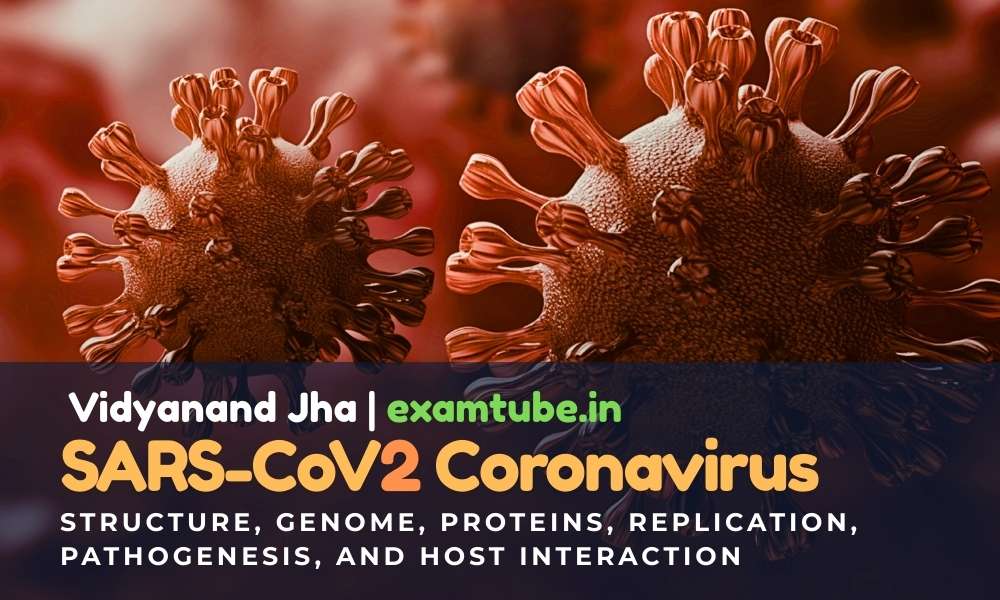
SARS-CoV-2 Coronavirus: Structure, Genome, Proteins, Replication, Pathogenesis, and Host Interaction
Coronavirus Overview Coronaviruses (CoVs) are enveloped viruses (surrounded by a lipid membrane derived from host cells), belonging to the s...

Coronavirus Structure, Genome, Replication, Symptoms, Pathogenesis, and Prevention
Structure of Coronavirus Coronaviruses (enveloped RNA viruses) fall in the virus family Coronaviridae, order Nidovirales. They are enveloped...
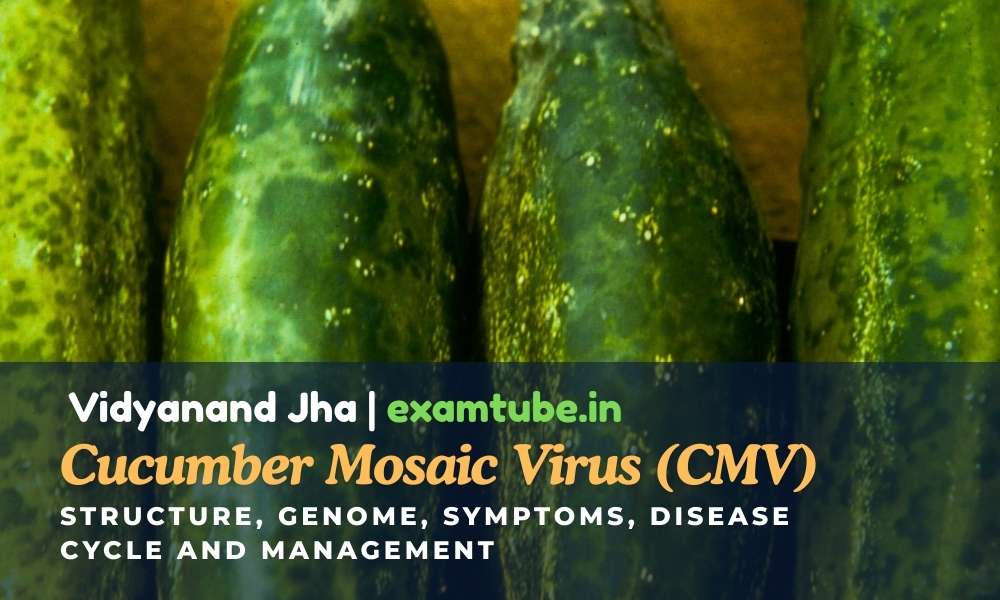
Cucumber Mosaic Virus (CMV): Structure, Genome, Symptoms, Disease Cycle and Management
Cucumber Mosaic Virus (CMV): Introduction and Importance Cucumber Mosaic Virus (CMV) (plant-infecting RNA virus) is one of the most economic...