
Practice question
Question
Which organism typically has the greatest biomass in a forest ecosystem?
Explanation
Trees usually contain the greatest biomass in forests because they accumulate woody tissue over decades or centuries. Their large trunks, branches, and roots store carbon far longer than the bodies of herbivores, carnivores, or parasites. Biomass is standing mass, not productivity: a forest can retain a massive producer stock even when annual net production is modest. Consumers may have rapid turnover, but respiratory losses and incomplete transfer prevent their standing biomass from approaching the long-lived plant reservoir. Energy and matter should not be conflated: nutrients can cycle among levels, but respiratory heat cannot be recycled into chemically useful energy by the community. Pyramid shape is an accounting result with biological causes, including body-size distributions, tissue longevity, consumption, assimilation, respiration, and population turnover. A snapshot may differ seasonally, especially in plankton or annual vegetation, whereas integrated production better represents ecosystem functioning across time. The ten-percent heuristic is useful for prediction but not exact; empirical transfer efficiencies vary with food quality, ectothermy, producer defenses, and detrital routing.
Related blogs
Guides and insights connected to this topic

SARS-CoV-2 Coronavirus: Structure, Genome, Proteins, Replication, Pathogenesis, and Host Interaction
Coronavirus Overview Coronaviruses (CoVs) are enveloped viruses (surrounded by a lipid membrane derived from host cells), belonging to the s...

Cucumber Mosaic Virus (CMV): Structure, Genome, Symptoms, Disease Cycle and Management
Cucumber Mosaic Virus (CMV): Introduction and Importance Cucumber Mosaic Virus (CMV) (plant-infecting RNA virus) is one of the most economic...
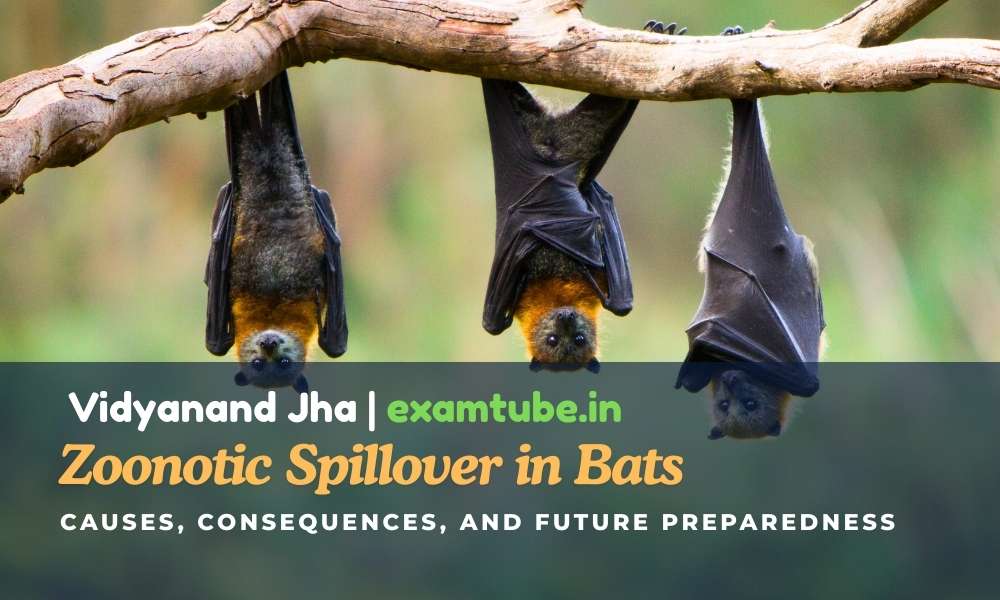
Zoonotic Spillover in Bats: Causes, Consequences, and Future Preparedness
Bats: General Characteristics and Classification Bats are small mammals capable of true sustained flight. They belong to the second-largest...