
Practice question
Question
Which of the following is true?
Explanation
In the classic succession framework, later or climax communities commonly contain greater structural complexity and support more species than pioneer communities, making high biodiversity the best statement provided. Early colonists are usually light-demanding rather than shade-tolerant, because they exploit open habitats. Pioneer species typically grow rapidly, disperse well, and reproduce early, so low growth is not their usual syndrome. A climax community is described as relatively stable, not inherently unstable, although modern ecology recognizes continuing disturbance and multiple dynamic states. As succession proceeds, accumulated soil, vegetation layers, dead wood, and trophic interactions create additional niches for plants, animals, fungi, and microorganisms. Diversity does not always increase monotonically or peak at the latest stage: competitive exclusion, fire suppression, nutrient enrichment, or environmental stress can produce different patterns. Accordingly, “high biodiversity” is a textbook tendency rather than an absolute definition. It remains scientifically stronger than the alternatives because habitat heterogeneity and longer colonization time generally expand species occupancy as a community matures.
Related blogs
Guides and insights connected to this topic

SARS-CoV-2 Coronavirus: Structure, Genome, Proteins, Replication, Pathogenesis, and Host Interaction
Coronavirus Overview Coronaviruses (CoVs) are enveloped viruses (surrounded by a lipid membrane derived from host cells), belonging to the s...
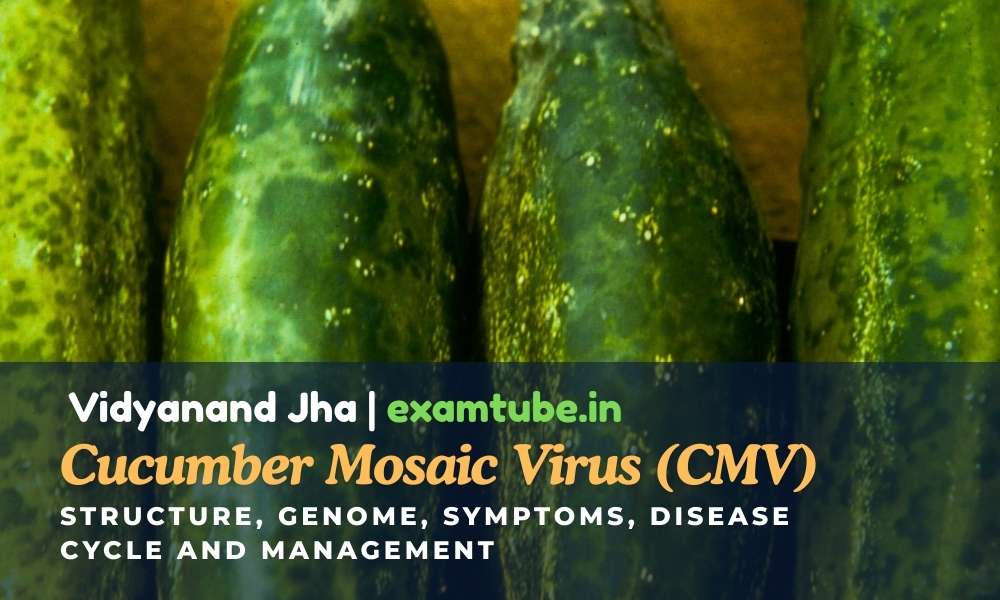
Cucumber Mosaic Virus (CMV): Structure, Genome, Symptoms, Disease Cycle and Management
Cucumber Mosaic Virus (CMV): Introduction and Importance Cucumber Mosaic Virus (CMV) (plant-infecting RNA virus) is one of the most economic...
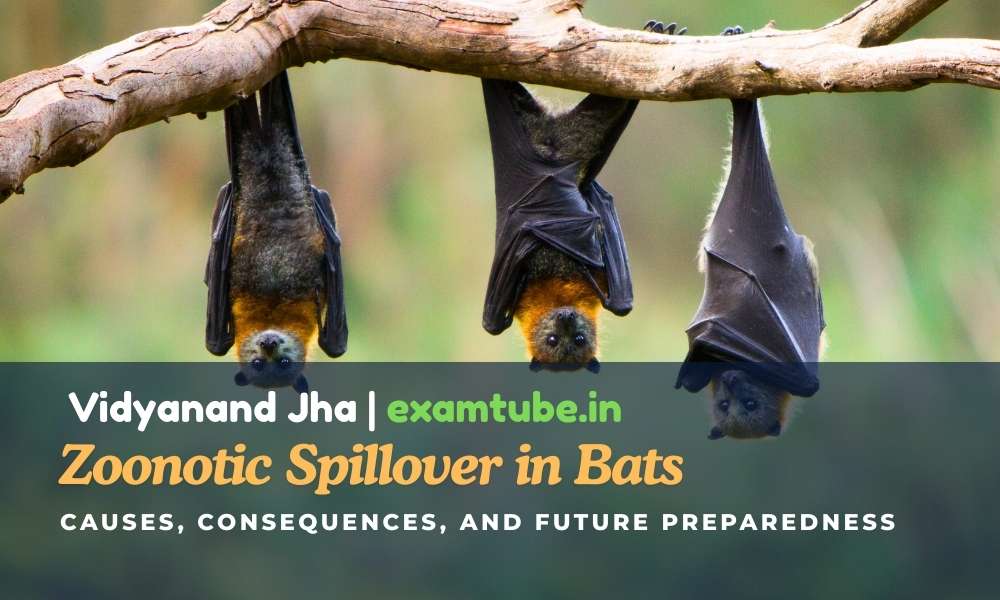
Zoonotic Spillover in Bats: Causes, Consequences, and Future Preparedness
Bats: General Characteristics and Classification Bats are small mammals capable of true sustained flight. They belong to the second-largest...