
Practice question
Question
What’s a consequence of complementarity?
Explanation
Complementarity raises ecosystem function when species differ in resource use, timing, rooting depth, microhabitat, or facilitative effects. As richness increases, these distinct contributions accumulate, enabling more complete resource capture or mutually beneficial interactions than a single species could achieve. Species richness counts taxa but does not show their abundance, traits, or interaction strengths. Dominant species may control bulk process rates, rare species may provide specialized functions or future insurance, and predators can restructure whole food webs through indirect effects. Functional groups summarize role overlap, while keystone effects identify unusually strong influence. Separating these dimensions explains why equal losses of richness can have very different ecological consequences and why conservation cannot rely solely on the number of species remaining. In this context, the keyed term, Accumulated function increase, identifies the relevant mechanism or quantitative relationship and links the observed pattern to its underlying ecological cause. The distinction is testable by measuring changes in organisms, resources, or process rates through time rather than relying on the label alone.
Related blogs
Guides and insights connected to this topic

SARS-CoV-2 Coronavirus: Structure, Genome, Proteins, Replication, Pathogenesis, and Host Interaction
Coronavirus Overview Coronaviruses (CoVs) are enveloped viruses (surrounded by a lipid membrane derived from host cells), belonging to the s...

Coronavirus Structure, Genome, Replication, Symptoms, Pathogenesis, and Prevention
Structure of Coronavirus Coronaviruses (enveloped RNA viruses) fall in the virus family Coronaviridae, order Nidovirales. They are enveloped...
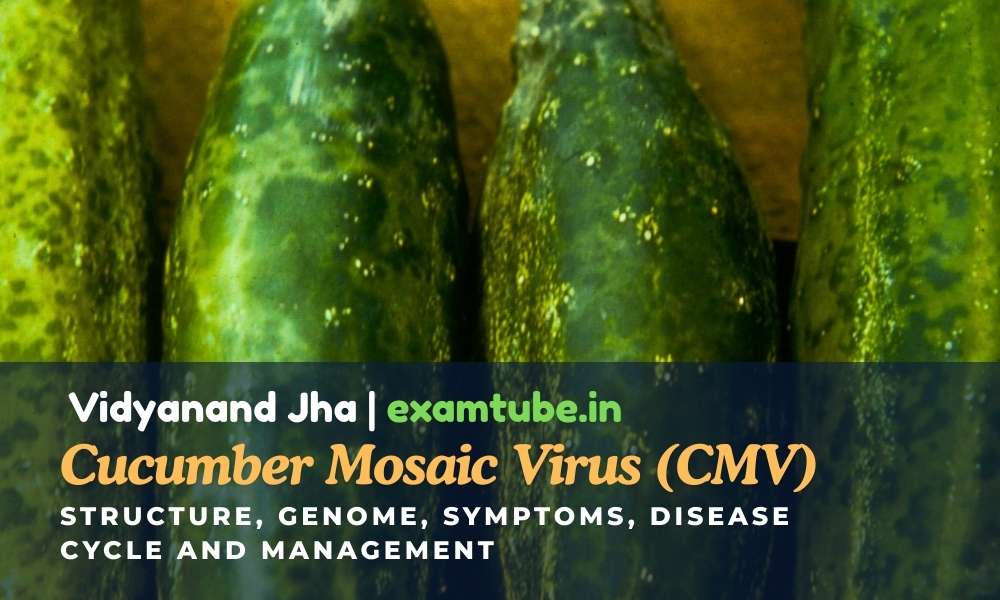
Cucumber Mosaic Virus (CMV): Structure, Genome, Symptoms, Disease Cycle and Management
Cucumber Mosaic Virus (CMV): Introduction and Importance Cucumber Mosaic Virus (CMV) (plant-infecting RNA virus) is one of the most economic...