
Practice question
Question
What is trophic efficiency equal to?
Explanation
Trophic-transfer efficiency can be decomposed into consumption efficiency, assimilation efficiency, and production efficiency. Multiplying CE × AE × PE follows the successive fate of production: the fraction ingested, the fraction of ingested material absorbed, and the fraction of assimilated energy converted into consumer production. Because each term is a proportion below or equal to one, their product is smaller than any unconstrained input. Respired energy and unconsumed or egested material account for the major reductions. Substrate stoichiometry links carbon processing to nutrient demand, so identical mass loss can accompany mineralization in one litter type and immobilization in another. Microbial enzymes act outside cells, making surface area and molecular accessibility as important as the nominal energy content of the dead material. Carbon and mineral nutrients follow different accounting paths: energy is dissipated, whereas atoms may be retained, exported, or recycled into new biomass. Decomposition rate therefore emerges from interactions among substrate chemistry, decomposer traits, temperature, water, oxygen, and nutrient balance rather than from a single universal control.
Related blogs
Guides and insights connected to this topic
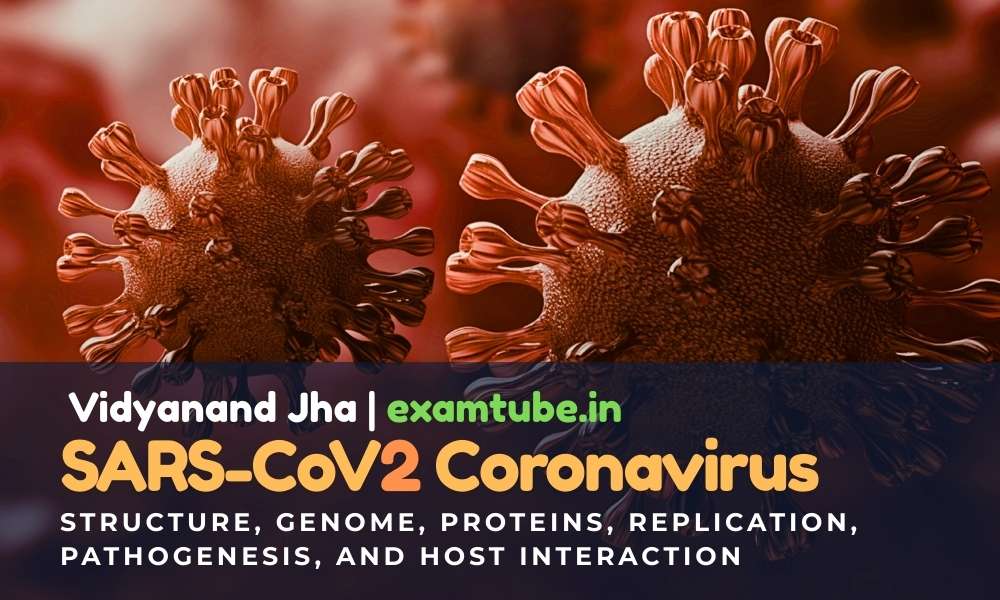
SARS-CoV-2 Coronavirus: Structure, Genome, Proteins, Replication, Pathogenesis, and Host Interaction
Coronavirus Overview Coronaviruses (CoVs) are enveloped viruses (surrounded by a lipid membrane derived from host cells), belonging to the s...

Cucumber Mosaic Virus (CMV): Structure, Genome, Symptoms, Disease Cycle and Management
Cucumber Mosaic Virus (CMV): Introduction and Importance Cucumber Mosaic Virus (CMV) (plant-infecting RNA virus) is one of the most economic...

Zoonotic Spillover in Bats: Causes, Consequences, and Future Preparedness
Bats: General Characteristics and Classification Bats are small mammals capable of true sustained flight. They belong to the second-largest...