
Practice question
Question
Decomposers convert organic matter into:
Explanation
Decomposers transform organic matter into inorganic nutrients through extracellular digestion, uptake, respiration, and mineralization. Organic nitrogen can become ammonium, organic phosphorus can become phosphate, and organic carbon is largely released as CO₂ under aerobic conditions. Not all material is immediately mineralized: some enters microbial biomass, humus, dissolved organic matter, or persistent mineral-associated pools. Thus decomposition both recycles plant-available ions and stabilizes part of the detrital carbon, linking energy dissipation with nutrient conservation. Carbon and mineral nutrients follow different accounting paths: energy is dissipated, whereas atoms may be retained, exported, or recycled into new biomass. Decomposition rate therefore emerges from interactions among substrate chemistry, decomposer traits, temperature, water, oxygen, and nutrient balance rather than from a single universal control. At ecosystem scale, these reactions regulate soil fertility, atmospheric carbon exchange, detrital food webs, and the residence time of organic matter. Mass loss alone cannot identify mechanism, because leaching, fragmentation, respiration, assimilation, and stabilization can produce different fates for carbon and nutrients.
Related blogs
Guides and insights connected to this topic
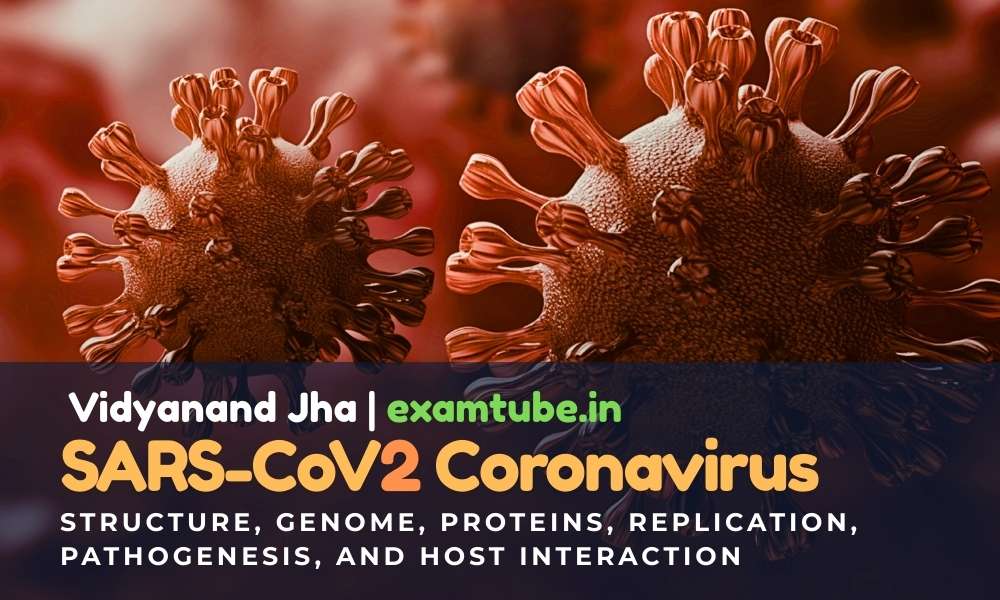
SARS-CoV-2 Coronavirus: Structure, Genome, Proteins, Replication, Pathogenesis, and Host Interaction
Coronavirus Overview Coronaviruses (CoVs) are enveloped viruses (surrounded by a lipid membrane derived from host cells), belonging to the s...
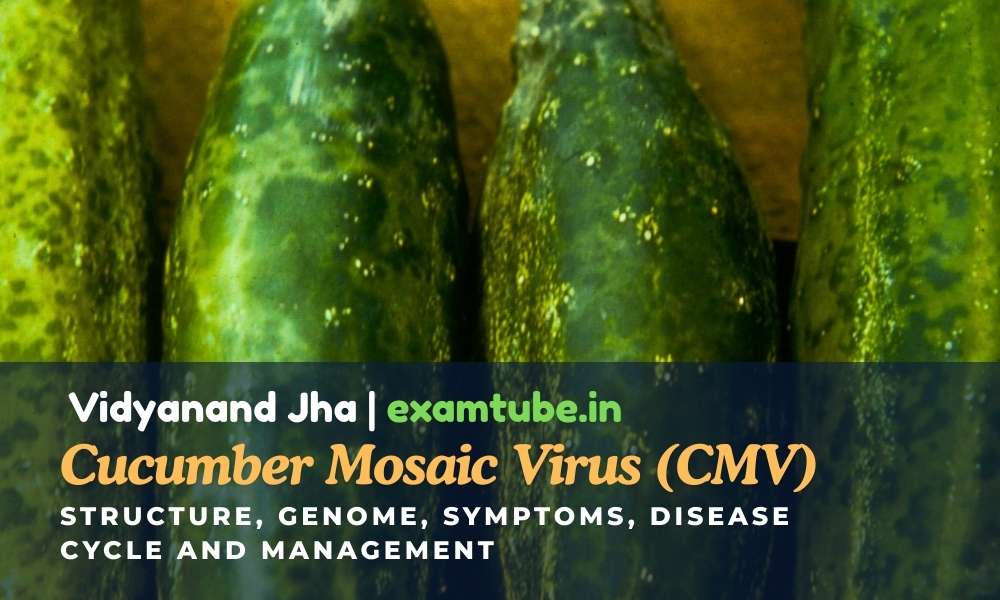
Cucumber Mosaic Virus (CMV): Structure, Genome, Symptoms, Disease Cycle and Management
Cucumber Mosaic Virus (CMV): Introduction and Importance Cucumber Mosaic Virus (CMV) (plant-infecting RNA virus) is one of the most economic...
Zoonotic Spillover in Bats: Causes, Consequences, and Future Preparedness
Bats: General Characteristics and Classification Bats are small mammals capable of true sustained flight. They belong to the second-largest...