
Practice question
Question
Resource partitioning involves:
Explanation
Resource partitioning is the division of limiting resources among coexisting species, reducing overlap in resource use. Species may forage in different habitats, consume different food sizes, feed at different times, or exploit distinct parts of the same plant. Partitioning weakens direct competition because each species has access to a resource dimension in which it performs relatively well. It can arise through behavioral flexibility, phenotypic plasticity, or evolutionary divergence and character displacement. Increased overlap would be the opposite pattern and would generally intensify competition. Extinction may occur when partitioning and other stabilizing mechanisms are insufficient, but it is not part of the definition. Competition often initiates selection or behavior favoring partitioning; once established, the reduced overlap can support coexistence. Complete separation is unnecessary—partial differentiation may be enough if intraspecific competition becomes stronger than interspecific competition. Ecologists demonstrate partitioning by comparing resource-use distributions, traits, or performance, ideally showing that overlap and competitive effects change when species occur together versus separately.
Related blogs
Guides and insights connected to this topic

SARS-CoV-2 Coronavirus: Structure, Genome, Proteins, Replication, Pathogenesis, and Host Interaction
Coronavirus Overview Coronaviruses (CoVs) are enveloped viruses (surrounded by a lipid membrane derived from host cells), belonging to the s...

Coronavirus Structure, Genome, Replication, Symptoms, Pathogenesis, and Prevention
Structure of Coronavirus Coronaviruses (enveloped RNA viruses) fall in the virus family Coronaviridae, order Nidovirales. They are enveloped...
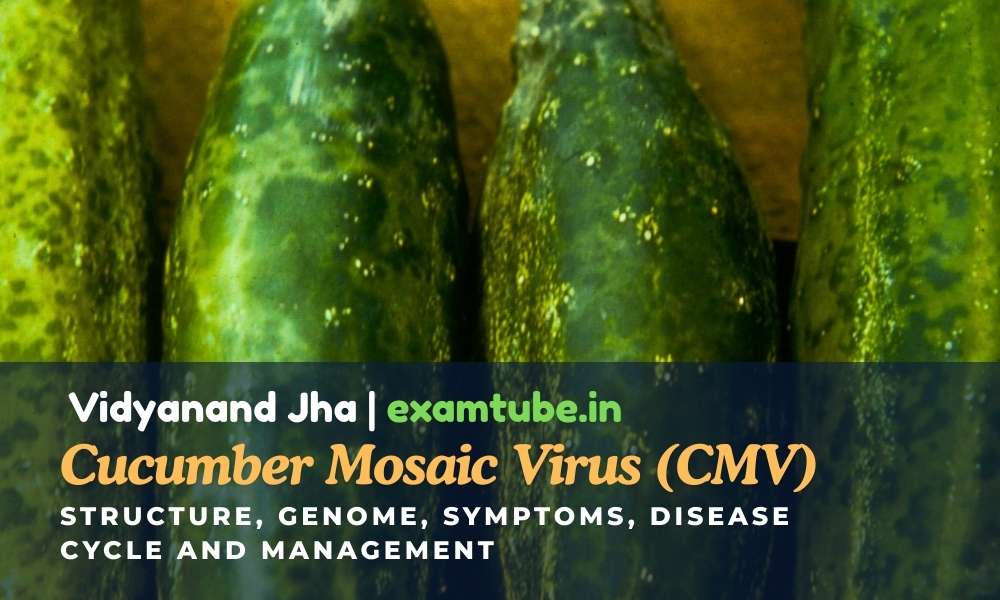
Cucumber Mosaic Virus (CMV): Structure, Genome, Symptoms, Disease Cycle and Management
Cucumber Mosaic Virus (CMV): Introduction and Importance Cucumber Mosaic Virus (CMV) (plant-infecting RNA virus) is one of the most economic...