
Practice question
Question
Phenotypic plasticity helps invasive species:
Explanation
“Adapt to various environmental conditions” for phenotypic plasticity helps invasive species. This relationship follows from the ecological mechanism represented by the terms in the item, not merely from an association between their names. Species management must identify the demographic stage and ecological process that most strongly limits population growth. Prevention, early detection, removal, habitat manipulation, and biological control act at different points in an invasion or recovery trajectory. The remaining alternatives—“Develop specialized diets”, “Occupy narrow habitats”, “Reduce competition”—refer to different states, processes, or scales and therefore do not express the same causal relationship. Effective control reduces propagule pressure or population growth without causing unacceptable non-target effects. Repeated monitoring is necessary because seed banks, dormant stages, recolonization, and density-dependent compensation can reverse short-term gains. This distinction matters because similar surface patterns can arise through different mechanisms, whereas ecological prediction depends on identifying the mechanism that actually changes rates.
Related blogs
Guides and insights connected to this topic

SARS-CoV-2 Coronavirus: Structure, Genome, Proteins, Replication, Pathogenesis, and Host Interaction
Coronavirus Overview Coronaviruses (CoVs) are enveloped viruses (surrounded by a lipid membrane derived from host cells), belonging to the s...

Coronavirus Structure, Genome, Replication, Symptoms, Pathogenesis, and Prevention
Structure of Coronavirus Coronaviruses (enveloped RNA viruses) fall in the virus family Coronaviridae, order Nidovirales. They are enveloped...
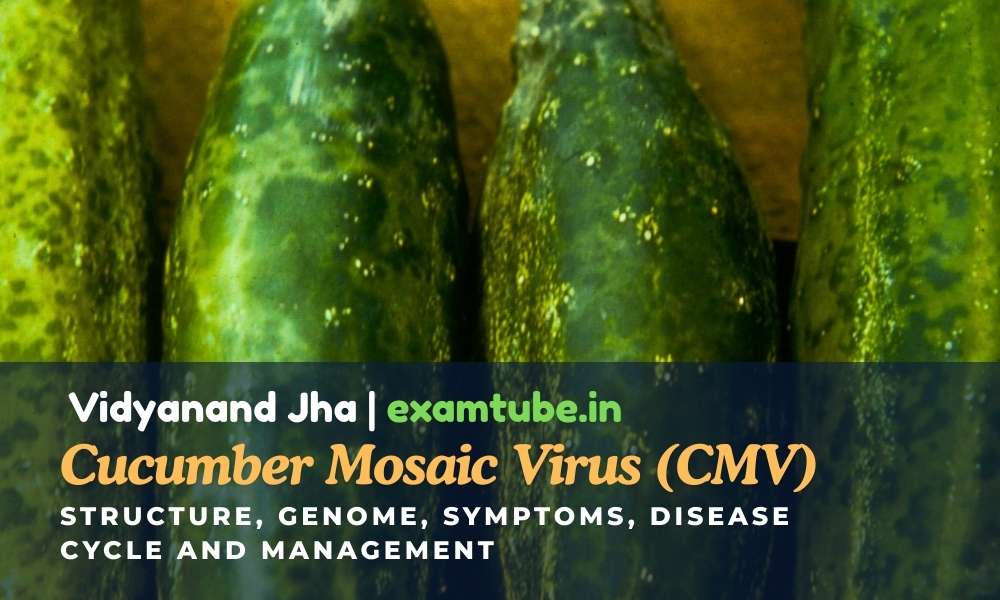
Cucumber Mosaic Virus (CMV): Structure, Genome, Symptoms, Disease Cycle and Management
Cucumber Mosaic Virus (CMV): Introduction and Importance Cucumber Mosaic Virus (CMV) (plant-infecting RNA virus) is one of the most economic...