
Practice question
Question
Matrix for protein-DNA interaction?
Explanation
Studying protein-DNA interactions requires matrices presenting immobilized DNA or specific protein ligands to capture interacting partners. Affinity chromatography using DNA-cellulose, where double-stranded DNA is coupled to cellulose, or using biotinylated oligonucleotides bound to streptavidin agarose, allows selective retention of DNA-binding proteins via sequence-specific or non-specific electrostatic contacts. Sephadex and agarose alone separate by size, while silica adsorbs non-specifically. Ligand-based affinity matrices preserve native binding activity, enabling enrichment from nuclear extracts, followed by salt elution for subsequent analysis by electrophoretic mobility shift assays and transcription factor characterization.
Related blogs
Guides and insights connected to this topic
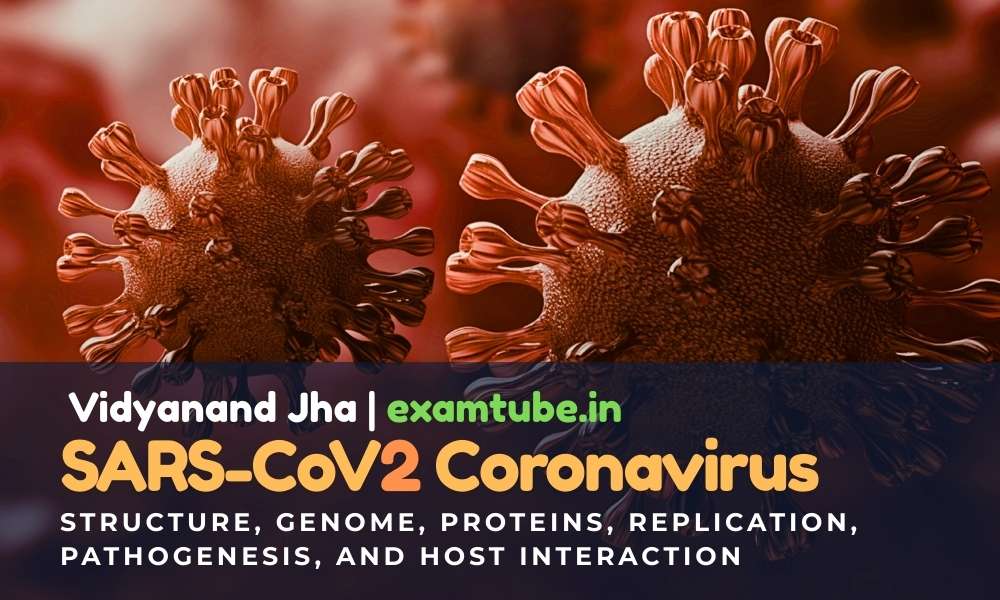
SARS-CoV-2 Coronavirus: Structure, Genome, Proteins, Replication, Pathogenesis, and Host Interaction
Coronavirus Overview Coronaviruses (CoVs) are enveloped viruses (surrounded by a lipid membrane derived from host cells), belonging to the s...

Coronavirus Structure, Genome, Replication, Symptoms, Pathogenesis, and Prevention
Structure of Coronavirus Coronaviruses (enveloped RNA viruses) fall in the virus family Coronaviridae, order Nidovirales. They are enveloped...

Cucumber Mosaic Virus (CMV): Structure, Genome, Symptoms, Disease Cycle and Management
Cucumber Mosaic Virus (CMV): Introduction and Importance Cucumber Mosaic Virus (CMV) (plant-infecting RNA virus) is one of the most economic...