
Practice question
Question
Dominant species typically have:
Explanation
“Large biomass and high abundance” for dominant species typically have. This relationship follows from the ecological mechanism represented by the terms in the item, not merely from an association between their names. A sound explanation connects the stated pattern to a causal pathway and distinguishes it from alternatives that describe different levels of organization or different ecological processes. The remaining alternatives—“Low ecological impact”, “Narrow dietary preferences”, “Few interactions with other species”—refer to different states, processes, or scales and therefore do not express the same causal relationship. Ecological interpretation requires separating the immediate process from its broader consequence. A mechanism operating through physiology or behavior can scale up to alter survival, reproduction, abundance, distribution, and community structure. This distinction matters because similar surface patterns can arise through different mechanisms, whereas ecological prediction depends on identifying the mechanism that actually changes rates. The cited framing is therefore most useful when treated as a conditional biological claim, with assumptions about scale and environmental context kept explicit.
Related blogs
Guides and insights connected to this topic

SARS-CoV-2 Coronavirus: Structure, Genome, Proteins, Replication, Pathogenesis, and Host Interaction
Coronavirus Overview Coronaviruses (CoVs) are enveloped viruses (surrounded by a lipid membrane derived from host cells), belonging to the s...

Coronavirus Structure, Genome, Replication, Symptoms, Pathogenesis, and Prevention
Structure of Coronavirus Coronaviruses (enveloped RNA viruses) fall in the virus family Coronaviridae, order Nidovirales. They are enveloped...
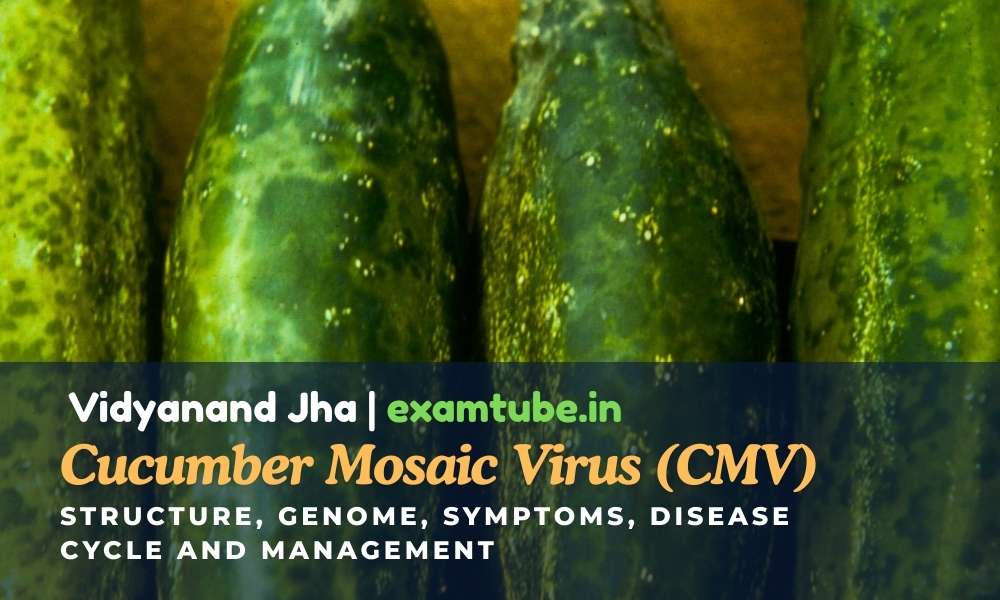
Cucumber Mosaic Virus (CMV): Structure, Genome, Symptoms, Disease Cycle and Management
Cucumber Mosaic Virus (CMV): Introduction and Importance Cucumber Mosaic Virus (CMV) (plant-infecting RNA virus) is one of the most economic...