
Practice question
Question
A grasshopper blending in with dry leaves is an example of:
Explanation
A grasshopper whose body color and outline merge with dry leaves displays cryptic coloration. Crypsis lowers the probability that a predator detects or recognizes the animal against its visual background. Brown mottling can match leaf luminance and texture, while flattened shape, irregular margins, immobility, and leaf-like posture may further disrupt the body outline. Selection favors combinations that reduce the receiver’s ability to separate prey from environmental noise. Aposematism works in the opposite direction by increasing conspicuousness and advertising a defense. Batesian mimicry requires an undefended organism to resemble a defended model, not merely an inanimate background. Aggressive mimicry benefits a predator or parasite by deceiving prey or hosts. Although resemblance to a leaf is sometimes loosely called masquerade, masquerade more specifically means that a detected organism is misclassified as an irrelevant object; crypsis means it is not detected. The scenario emphasizes blending, so cryptic coloration is the best description of the primary mechanism reducing predation risk.
Related blogs
Guides and insights connected to this topic

SARS-CoV-2 Coronavirus: Structure, Genome, Proteins, Replication, Pathogenesis, and Host Interaction
Coronavirus Overview Coronaviruses (CoVs) are enveloped viruses (surrounded by a lipid membrane derived from host cells), belonging to the s...

Cucumber Mosaic Virus (CMV): Structure, Genome, Symptoms, Disease Cycle and Management
Cucumber Mosaic Virus (CMV): Introduction and Importance Cucumber Mosaic Virus (CMV) (plant-infecting RNA virus) is one of the most economic...
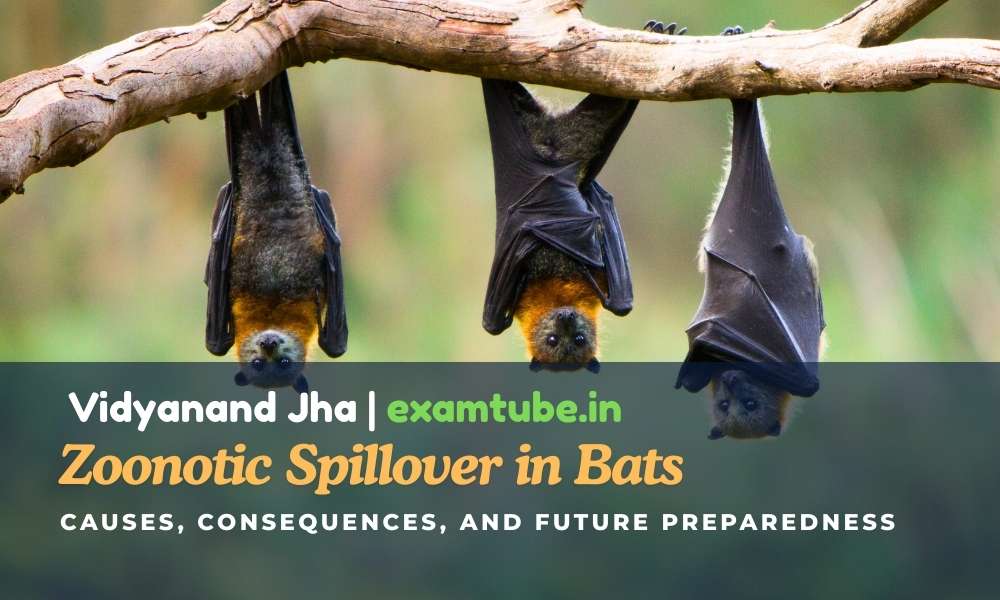
Zoonotic Spillover in Bats: Causes, Consequences, and Future Preparedness
Bats: General Characteristics and Classification Bats are small mammals capable of true sustained flight. They belong to the second-largest...