
Practice question
Question
A disulfide-bridged α-helical peptide is best analyzed by:
Explanation
Far-ultraviolet circular dichroism provides rapid low-sample assessment of secondary structure based on chiral exciton coupling of amide chromophores. Disulfide constrained α-helical peptide exhibits hallmark double negative minima at 208 and 222 nanometers and positive peak near 193 nanometers, confirming helical integrity and oxidative folding. Ultraviolet absorption alone shows only aromatic contributions without conformational signature. Mass spectrometry verifies mass not fold. Nuclear magnetic resonance requires higher concentration and extensive assignment. CD therefore optimally screens synthetic helical peptides stabilized by disulfide bridges.
Related blogs
Guides and insights connected to this topic
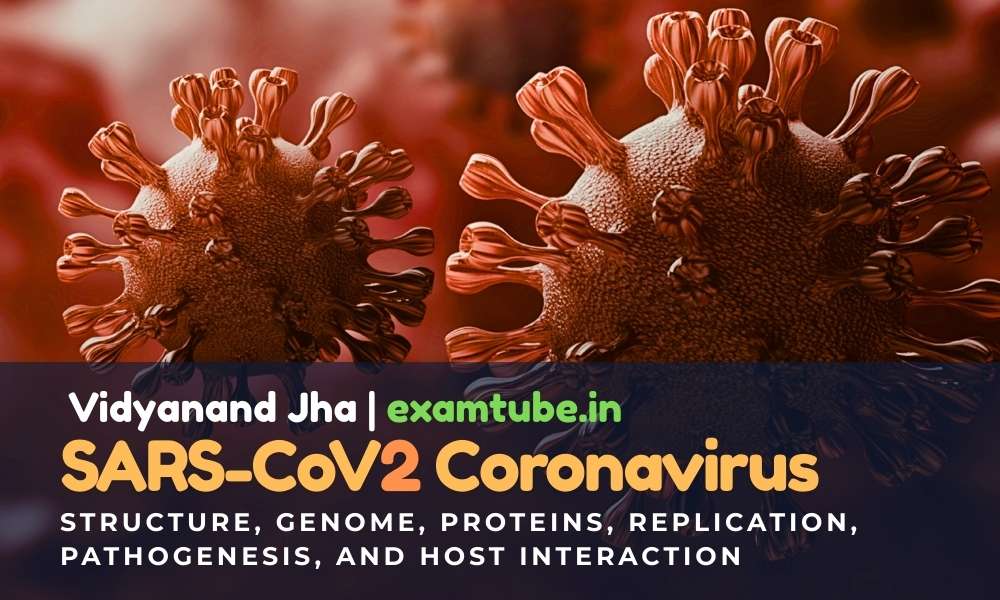
SARS-CoV-2 Coronavirus: Structure, Genome, Proteins, Replication, Pathogenesis, and Host Interaction
Coronavirus Overview Coronaviruses (CoVs) are enveloped viruses (surrounded by a lipid membrane derived from host cells), belonging to the s...

Coronavirus Structure, Genome, Replication, Symptoms, Pathogenesis, and Prevention
Structure of Coronavirus Coronaviruses (enveloped RNA viruses) fall in the virus family Coronaviridae, order Nidovirales. They are enveloped...
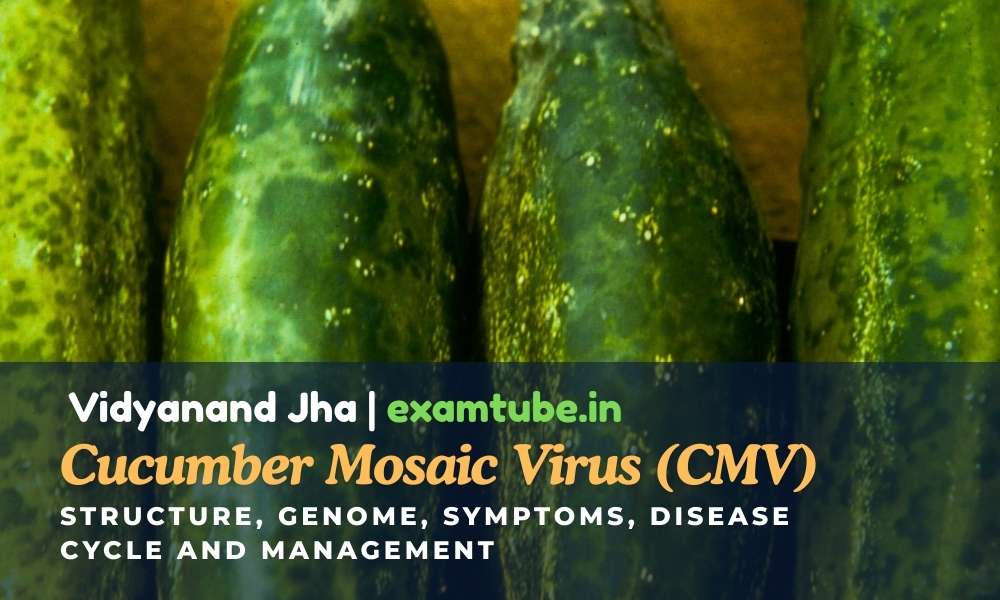
Cucumber Mosaic Virus (CMV): Structure, Genome, Symptoms, Disease Cycle and Management
Cucumber Mosaic Virus (CMV): Introduction and Importance Cucumber Mosaic Virus (CMV) (plant-infecting RNA virus) is one of the most economic...