
Practice question
Question
Which system maintains predator-prey equilibrium?
Explanation
A stable prey population combined with alternative prey can support predator persistence while reducing the chance that intense exploitation drives a single prey species to extinction. Alternative prey buffer predator food supply when the focal prey is rare, and stable refuges or density dependence can allow recovery. Such systems may reach equilibrium or bounded fluctuations, although alternative prey can also create apparent competition if they maintain high predator abundance. Predator numbers exceeding prey indefinitely is unsustainable, prey extinction destroys the interaction, and preventing predator migration does not inherently stabilize dynamics. The keyed system contains resource buffering and prey persistence, the ingredients most compatible with maintained coexistence. Mechanistic reasoning is essential here: classifications should follow measurable consequences for survival, reproduction, resource acquisition, or detection. Context can modify interaction strength, but it does not erase the defining contrast among the alternatives presented. At population level, this mechanism can influence abundance, coexistence, and evolutionary selection. Separating immediate individual effects from longer-term community outcomes gives the selected concept a clearer ecological meaning and avoids relying only on memorized terminology.
Related blogs
Guides and insights connected to this topic
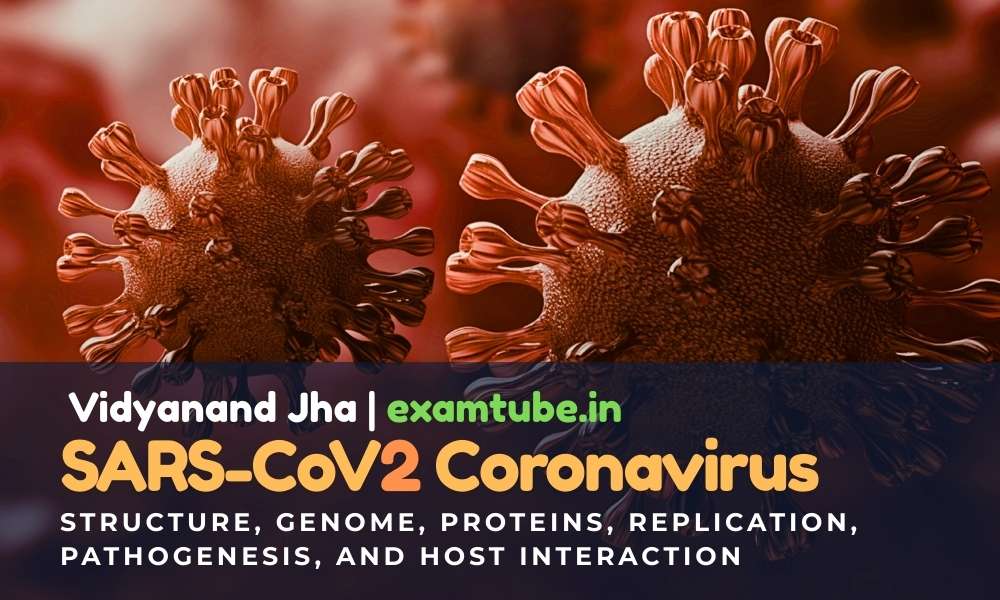
SARS-CoV-2 Coronavirus: Structure, Genome, Proteins, Replication, Pathogenesis, and Host Interaction
Coronavirus Overview Coronaviruses (CoVs) are enveloped viruses (surrounded by a lipid membrane derived from host cells), belonging to the s...

Cucumber Mosaic Virus (CMV): Structure, Genome, Symptoms, Disease Cycle and Management
Cucumber Mosaic Virus (CMV): Introduction and Importance Cucumber Mosaic Virus (CMV) (plant-infecting RNA virus) is one of the most economic...
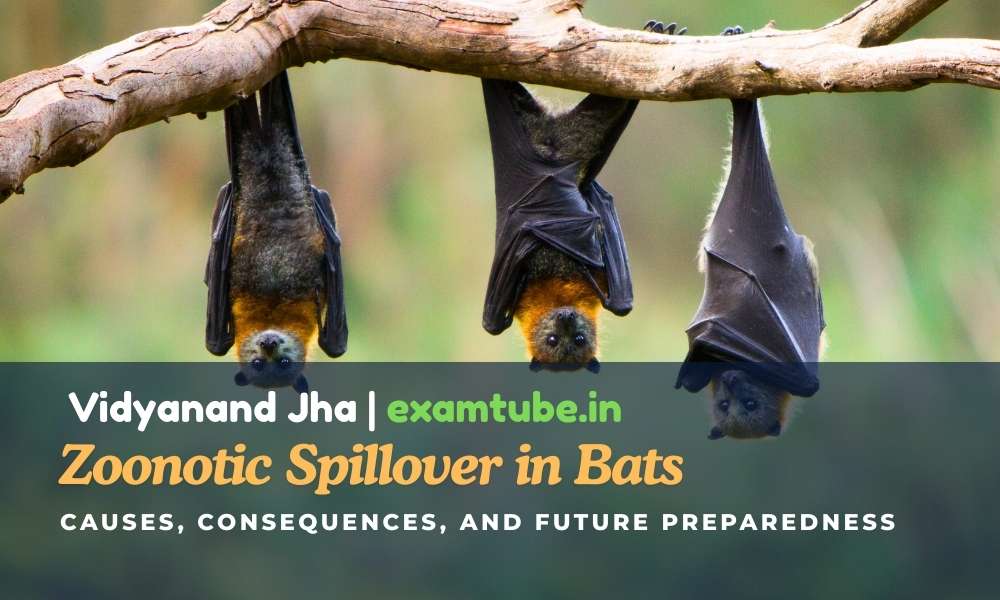
Zoonotic Spillover in Bats: Causes, Consequences, and Future Preparedness
Bats: General Characteristics and Classification Bats are small mammals capable of true sustained flight. They belong to the second-largest...