
Practice question
Question
Which predator example shows inverse density dependence?
Explanation
Group hunting by lions can create inverse density dependence in prey mortality when larger prey groups dilute individual risk or make capture less efficient per prey animal. More generally, inverse density-dependent predation means the per-capita mortality imposed by predators falls as prey density rises. The named example is context-dependent, so the mechanism not the species label must be demonstrated with observations. At low density, ordinary competition weakens, but an Allee effect can reverse the expected advantage of rarity. At high density, resource depletion and social interference usually lower performance. Considering both ranges shows why population growth can have thresholds, stable equilibria, or overshoots instead of following a single simple trajectory. The key idea is the direction of the trade-off or feedback, because that direction determines the population-level outcome. Field evidence should therefore be compared with the model assumptions before extending the conclusion to every species, habitat, or time period. Interpreting the example at the appropriate population scale keeps the causal mechanism distinct from a simple correlation or an absolute rule.
Related blogs
Guides and insights connected to this topic

Cucumber Mosaic Virus (CMV): Structure, Genome, Symptoms, Disease Cycle and Management
Cucumber Mosaic Virus (CMV): Introduction and Importance Cucumber Mosaic Virus (CMV) (plant-infecting RNA virus) is one of the most economic...
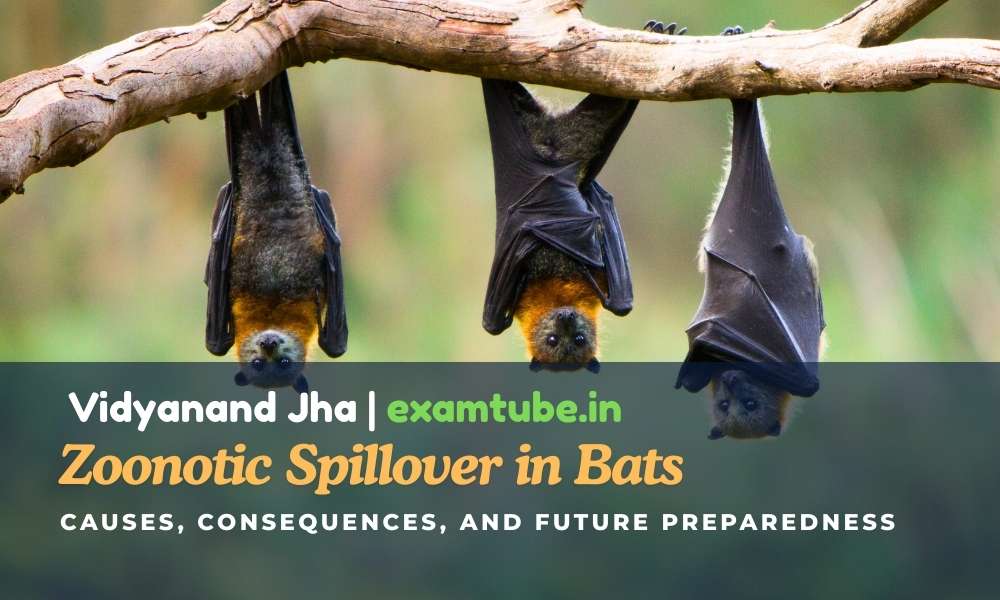
Zoonotic Spillover in Bats: Causes, Consequences, and Future Preparedness
Bats: General Characteristics and Classification Bats are small mammals capable of true sustained flight. They belong to the second-largest...

Human Astrovirus- An Introduction
Structure of Human Astrovirus Human astrovirus (virus causing gastroenteritis in humans) falls under Astroviridae (virus family) and genus M...