
Practice question
Question
Which of these is not an autotroph?
Explanation
Fungi obtain organic carbon by secreting extracellular enzymes and absorbing the resulting soluble compounds. They lack photosynthetic pigments and do not fix inorganic carbon as their principal carbon source, unlike cyanobacteria, algae, and photosynthetic members of the phytoplankton. Ecosystem production is measured over a stated area and interval because it is a flux, not simply material present at one moment. Producers convert inorganic carbon into organic compounds, respiration returns some carbon to the environment, and heterotrophs redistribute and mineralize the remainder. Aquatic and terrestrial systems differ greatly in producer size, longevity, nutrient delivery, and turnover, so standing biomass alone is a poor proxy for annual production. A mechanistic interpretation therefore follows carbon sources, transformations, and losses. In this context, the keyed term, Fungi, identifies the relevant mechanism or quantitative relationship and links the observed pattern to its underlying ecological cause. The distinction is testable by measuring changes in organisms, resources, or process rates through time rather than relying on the label alone.
Related blogs
Guides and insights connected to this topic
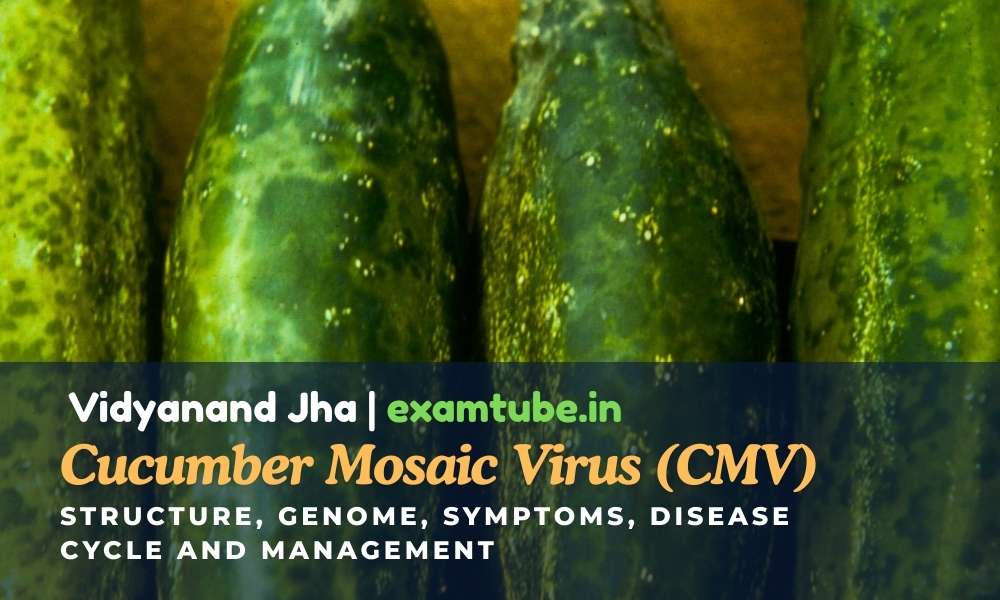
Cucumber Mosaic Virus (CMV): Structure, Genome, Symptoms, Disease Cycle and Management
Cucumber Mosaic Virus (CMV): Introduction and Importance Cucumber Mosaic Virus (CMV) (plant-infecting RNA virus) is one of the most economic...

Zoonotic Spillover in Bats: Causes, Consequences, and Future Preparedness
Bats: General Characteristics and Classification Bats are small mammals capable of true sustained flight. They belong to the second-largest...

Crimean-Congo Hemorrhagic Fever Virus (CCHFV): Transmission, Replication, Pathogenesis, Clinical Features, Diagnosis, Treatment, and Prevention
Structure of Crimean-Congo Hemorrhagic Fever Virus Crimean-Congo hemorrhagic fever virus (– causative agent of CCHF) falls under the family...