
Practice question
Question
The study of biogeochemical cycles falls under:
Explanation
Biogeochemical cycles connect biological uptake, trophic transfer, decomposition, mineralization, and abiotic reservoirs of elements such as carbon, nitrogen, and phosphorus. Because these transfers are studied together with energy flow at the level of whole ecological systems, they belong to ecosystem ecology. Primary production supports heterotrophic food webs by converting external energy into chemical energy stored in organic matter. The fate of that energy depends on maintenance respiration, growth, consumption, death, and decomposition. Carbon can be tracked as gross fixation, producer biomass increment, or whole-system accumulation, and each quantity has a different equation. Because respiration irreversibly dissipates usable energy as heat, energy moves directionally through trophic levels even though nutrients released by decomposers may cycle repeatedly. In this context, the keyed term, Ecosystem ecology, identifies the relevant mechanism or quantitative relationship and links the observed pattern to its underlying ecological cause. The distinction is testable by measuring changes in organisms, resources, or process rates through time rather than relying on the label alone.
Related blogs
Guides and insights connected to this topic

Coronavirus Structure, Genome, Replication, Symptoms, Pathogenesis, and Prevention
Structure of Coronavirus Coronaviruses (enveloped RNA viruses) fall in the virus family Coronaviridae, order Nidovirales. They are enveloped...
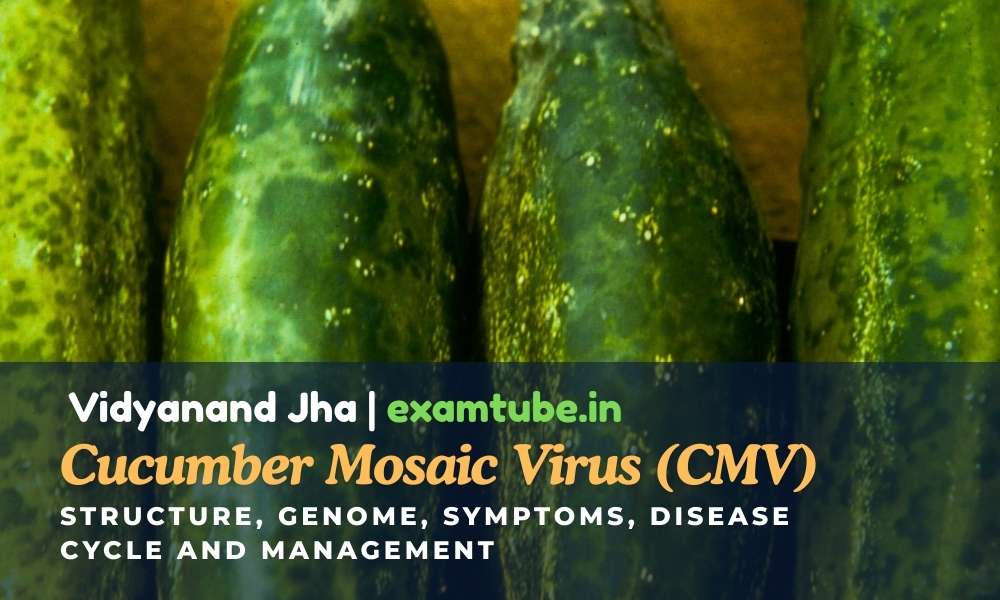
Cucumber Mosaic Virus (CMV): Structure, Genome, Symptoms, Disease Cycle and Management
Cucumber Mosaic Virus (CMV): Introduction and Importance Cucumber Mosaic Virus (CMV) (plant-infecting RNA virus) is one of the most economic...

Zoonotic Spillover in Bats: Causes, Consequences, and Future Preparedness
Bats: General Characteristics and Classification Bats are small mammals capable of true sustained flight. They belong to the second-largest...