
Practice question
Question
Which of the following does NOT increase extinction probability?
Explanation
The keyed exception is “Broad geographic distribution.” In the context of which of the following does not increase extinction probability, that statement differs from the governing ecological pattern and must be evaluated against the mechanism rather than accepted from wording alone. Human-driven habitat conversion, exploitation, introduced enemies, pollution, and climate change often interact rather than acting independently. Traits such as slow reproduction or ecological specialization can magnify vulnerability. The remaining alternatives—“High degree of specialization”, “High trophic status”, “Small population size”—refer to different states, processes, or scales and therefore do not express the same causal relationship. Extinction risk rises when abundance, geographic range, or genetic variation becomes small because demographic chance, environmental fluctuations, inbreeding, and rare catastrophes then have disproportionate effects. Correlated losses among subpopulations further weaken regional persistence. Field observations could test this account by measuring the proposed driver and the demographic or ecosystem response while controlling plausible confounding factors.
Related blogs
Guides and insights connected to this topic
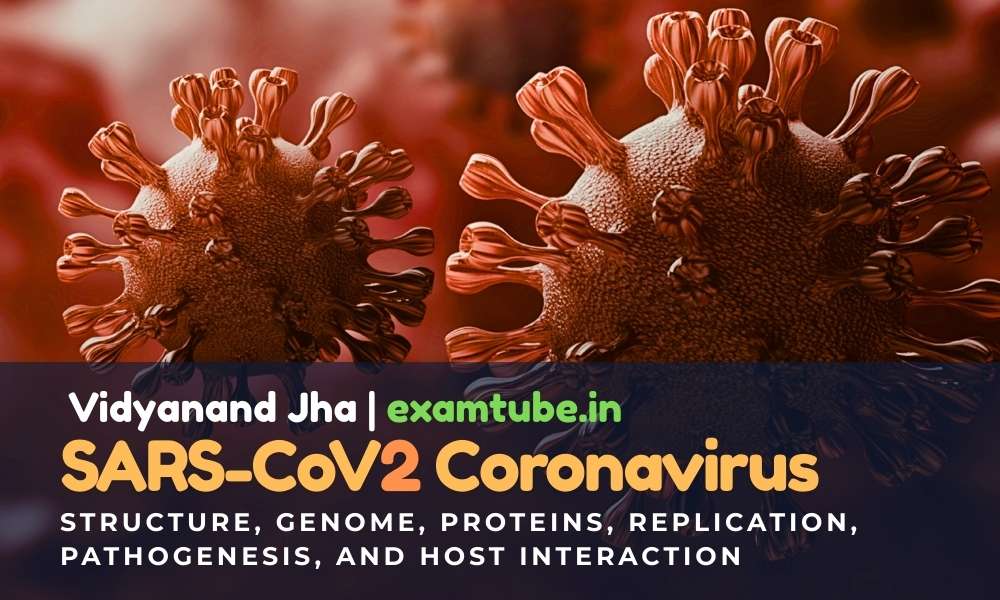
SARS-CoV-2 Coronavirus: Structure, Genome, Proteins, Replication, Pathogenesis, and Host Interaction
Coronavirus Overview Coronaviruses (CoVs) are enveloped viruses (surrounded by a lipid membrane derived from host cells), belonging to the s...
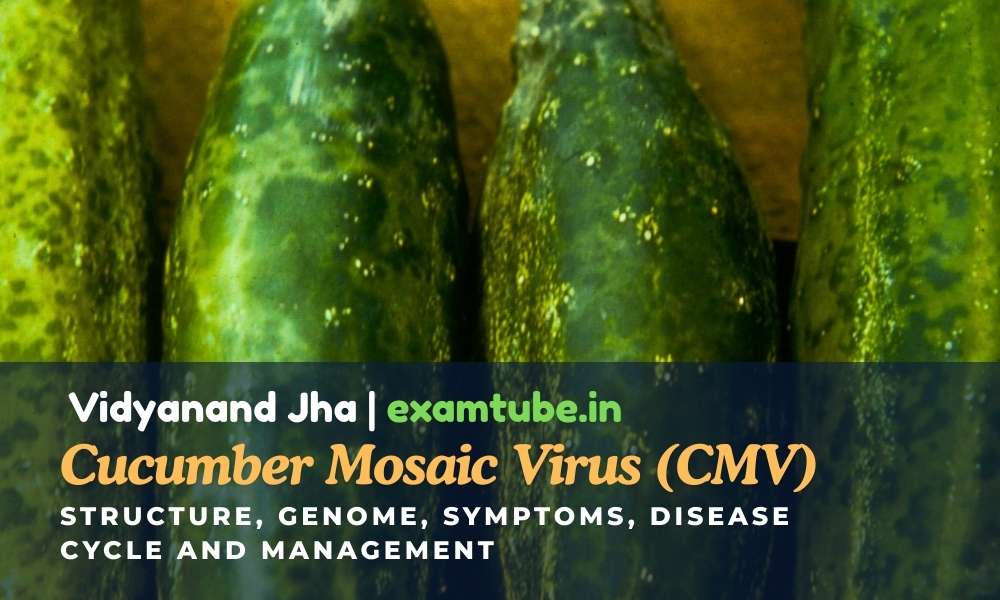
Cucumber Mosaic Virus (CMV): Structure, Genome, Symptoms, Disease Cycle and Management
Cucumber Mosaic Virus (CMV): Introduction and Importance Cucumber Mosaic Virus (CMV) (plant-infecting RNA virus) is one of the most economic...
Zoonotic Spillover in Bats: Causes, Consequences, and Future Preparedness
Bats: General Characteristics and Classification Bats are small mammals capable of true sustained flight. They belong to the second-largest...