
Practice question
Question
Which microscopy requires sectioning and heavy metal staining?
Explanation
Transmission electron microscopy achieves nanometer resolution but demands electrons to traverse specimen, requiring extreme thinness and contrast enhancement. Biological tissues are first fixed, dehydrated and embedded in resin, then cut into 60-90 nanometer ultrathin sections with diamond knife. Sections are mounted on grids and stained with heavy metals like osmium tetroxide, uranyl acetate and lead citrate that scatter electrons, delineating membranes, ribosomes and chromatin. Unlike light methods that handle whole mounts or living cells, this invasive preparation sacrifices viability but reveals mitochondrial cristae, nuclear pores and virus particles with exquisite ultrastructural detail.
Related blogs
Guides and insights connected to this topic

Coronavirus Structure, Genome, Replication, Symptoms, Pathogenesis, and Prevention
Structure of Coronavirus Coronaviruses (enveloped RNA viruses) fall in the virus family Coronaviridae, order Nidovirales. They are enveloped...
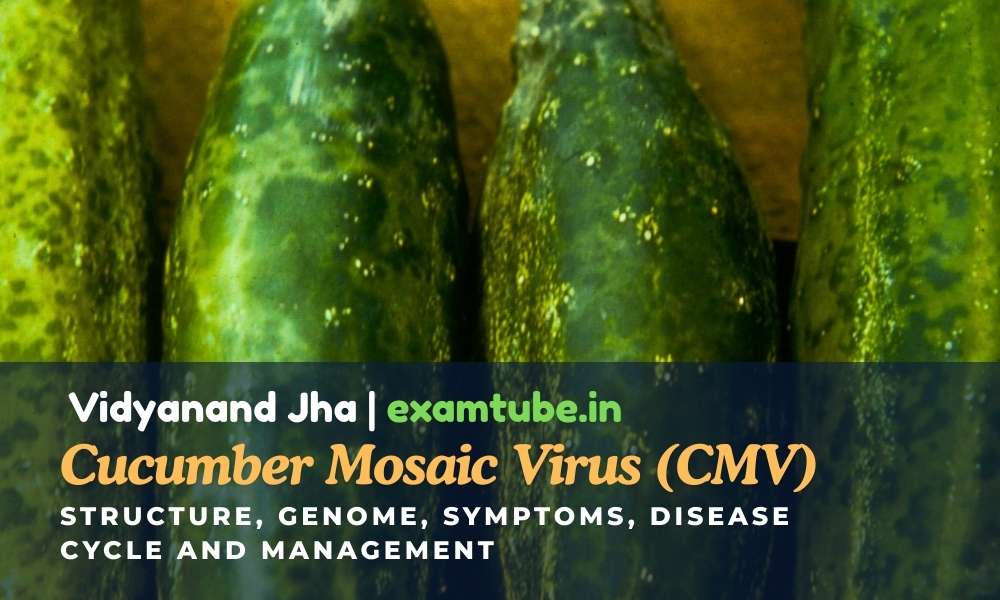
Cucumber Mosaic Virus (CMV): Structure, Genome, Symptoms, Disease Cycle and Management
Cucumber Mosaic Virus (CMV): Introduction and Importance Cucumber Mosaic Virus (CMV) (plant-infecting RNA virus) is one of the most economic...

Zoonotic Spillover in Bats: Causes, Consequences, and Future Preparedness
Bats: General Characteristics and Classification Bats are small mammals capable of true sustained flight. They belong to the second-largest...