
Practice question
Question
What defines trophic cascade?
Explanation
A trophic cascade occurs when consumers, often predators, indirectly alter organisms two or more feeding links away. By suppressing herbivores, a predator may release plants from grazing, increasing vegetation biomass; changes can also proceed through behavior rather than prey abundance. Cascades may be top-down or, less commonly, propagate upward from resource changes. Their magnitude depends on omnivory, habitat complexity, prey switching, and interaction strength. The concept describes indirect food-web consequences, not merely the presence of predation. Matter can cycle repeatedly through producers, consumers, and decomposers, whereas usable energy requires continuous external input because respiration degrades it to heat. The amount reaching a consumer level depends jointly on resource production, the fraction consumed, assimilation efficiency, and conversion of assimilates into new biomass. Food-web structure also reflects population persistence: upper levels need enough total production and sufficiently stable prey populations to avoid demographic extinction. Detrital and grazing channels continually exchange material, because waste and mortality feed decomposers while microbial and detritivore biomass supports predators.
Related blogs
Guides and insights connected to this topic

SARS-CoV-2 Coronavirus: Structure, Genome, Proteins, Replication, Pathogenesis, and Host Interaction
Coronavirus Overview Coronaviruses (CoVs) are enveloped viruses (surrounded by a lipid membrane derived from host cells), belonging to the s...
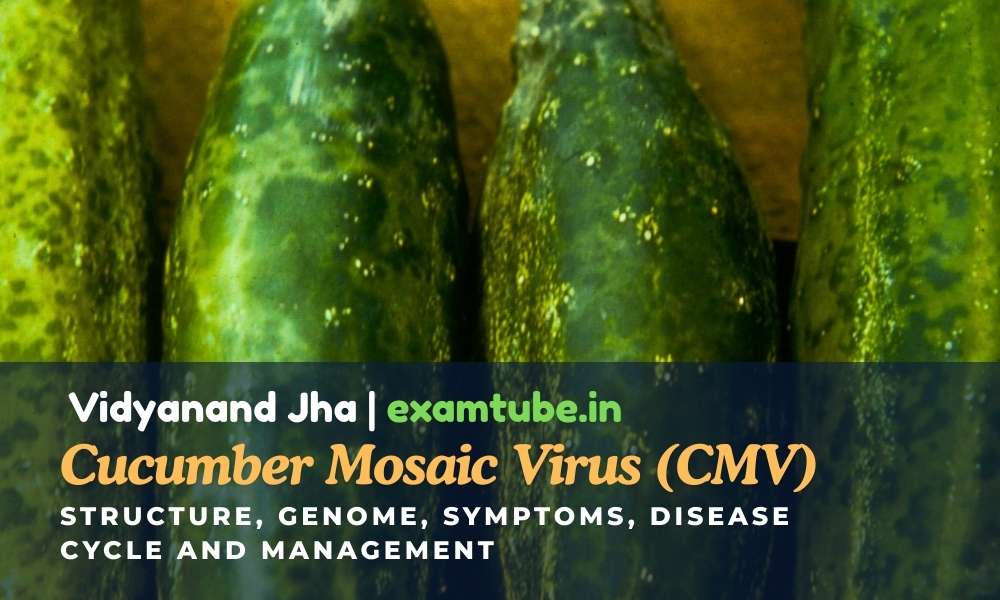
Cucumber Mosaic Virus (CMV): Structure, Genome, Symptoms, Disease Cycle and Management
Cucumber Mosaic Virus (CMV): Introduction and Importance Cucumber Mosaic Virus (CMV) (plant-infecting RNA virus) is one of the most economic...
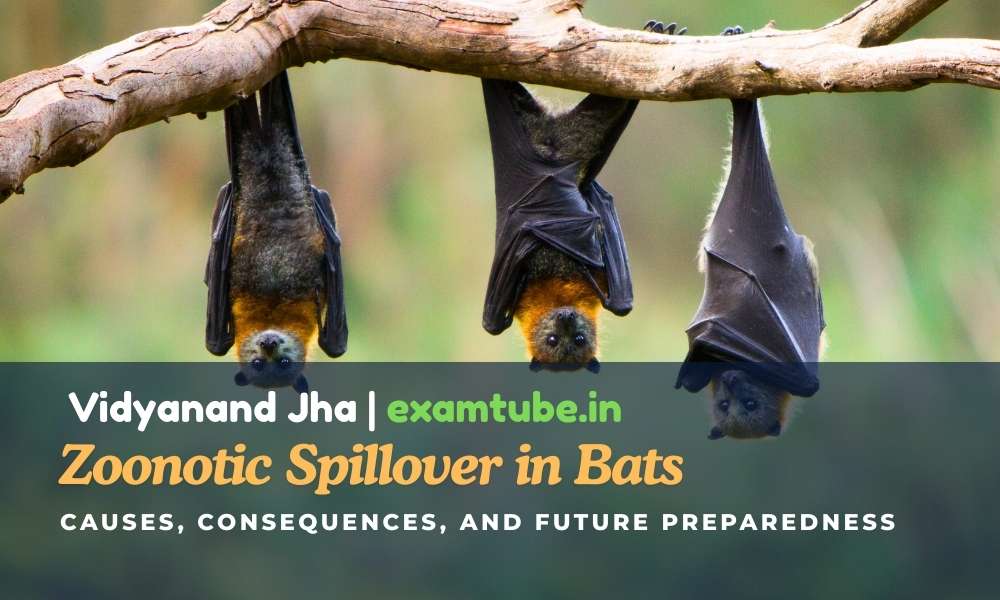
Zoonotic Spillover in Bats: Causes, Consequences, and Future Preparedness
Bats: General Characteristics and Classification Bats are small mammals capable of true sustained flight. They belong to the second-largest...