
Practice question
Question
What allows microplastics to reach remote areas?
Explanation
Small plastic particles and fibres can become airborne from textiles, road wear, soils, sea spray, and fragmented waste. Atmospheric turbulence transports them over long distances before dry deposition or removal by rain and snow, explaining findings in remote mountains and polar regions. Ocean currents also redistribute marine plastics, but windborne transport specifically accounts for movement across land and into isolated places lacking local sources. Prevention requires reducing unnecessary plastic use, improving collection and recycling, controlling lost fishing gear, and limiting releases of fibres and tyre-wear particles. Because conventional polymers persist, fragmentation redistributes plastic into smaller pieces rather than removing its mass from the ecosystem. Trophic transfer can occur when predators consume contaminated prey, although evidence for consistent biomagnification of particle numbers remains system-dependent. Standardised sampling and contamination controls are essential because airborne fibres can enter samples during collection and laboratory processing. Particle size, shape, polymer type, weathering state, and associated chemicals all influence uptake and biological response, so microplastics are not a uniform toxicant.
Related blogs
Guides and insights connected to this topic

Coronavirus Structure, Genome, Replication, Symptoms, Pathogenesis, and Prevention
Structure of Coronavirus Coronaviruses (enveloped RNA viruses) fall in the virus family Coronaviridae, order Nidovirales. They are enveloped...
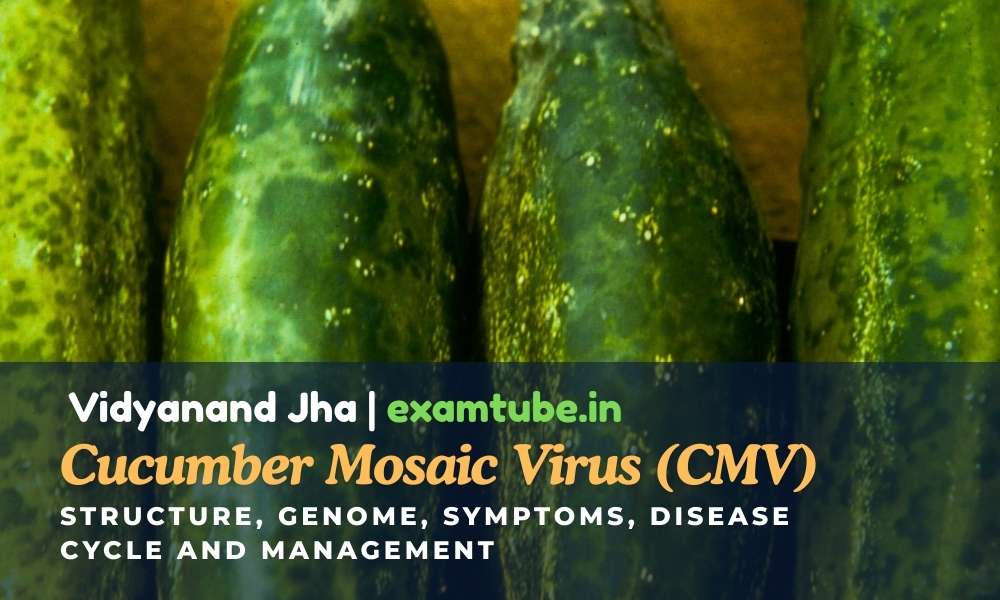
Cucumber Mosaic Virus (CMV): Structure, Genome, Symptoms, Disease Cycle and Management
Cucumber Mosaic Virus (CMV): Introduction and Importance Cucumber Mosaic Virus (CMV) (plant-infecting RNA virus) is one of the most economic...

Human Astrovirus- An Introduction
Structure of Human Astrovirus Human astrovirus (virus causing gastroenteritis in humans) falls under Astroviridae (virus family) and genus M...