
Practice question
Question
Species richness depends strongly on:
Explanation
The species–area relationship shows that larger sampled or habitat areas generally contain more species. It is often represented as S = cAᶻ, where S is species richness, A is area, c depends on the taxonomic group and region, and z is the slope on logarithmic axes. Several mechanisms contribute. Larger areas contain more individuals, increasing the chance of encountering rare species; they usually encompass more habitat types and environmental gradients, creating additional niches; and larger populations have lower stochastic extinction risk. On islands or isolated habitat fragments, area also affects extinction rates and interacts with distance-dependent colonization. Competition, predation, and mortality can strongly alter local composition, but their effects on richness vary with intensity, trophic structure, and environmental context. Area has a broad, repeatedly observed scaling relationship with richness across taxa and regions, making it the strongest general predictor among these alternatives. Sampling design still matters: simply surveying more area detects more species even without ecological change, whereas genuine habitat-area effects operate through population persistence and heterogeneity. Log-transforming the relation yields log S = log c + z log A, allowing comparisons of slopes.
Related blogs
Guides and insights connected to this topic

SARS-CoV-2 Coronavirus: Structure, Genome, Proteins, Replication, Pathogenesis, and Host Interaction
Coronavirus Overview Coronaviruses (CoVs) are enveloped viruses (surrounded by a lipid membrane derived from host cells), belonging to the s...
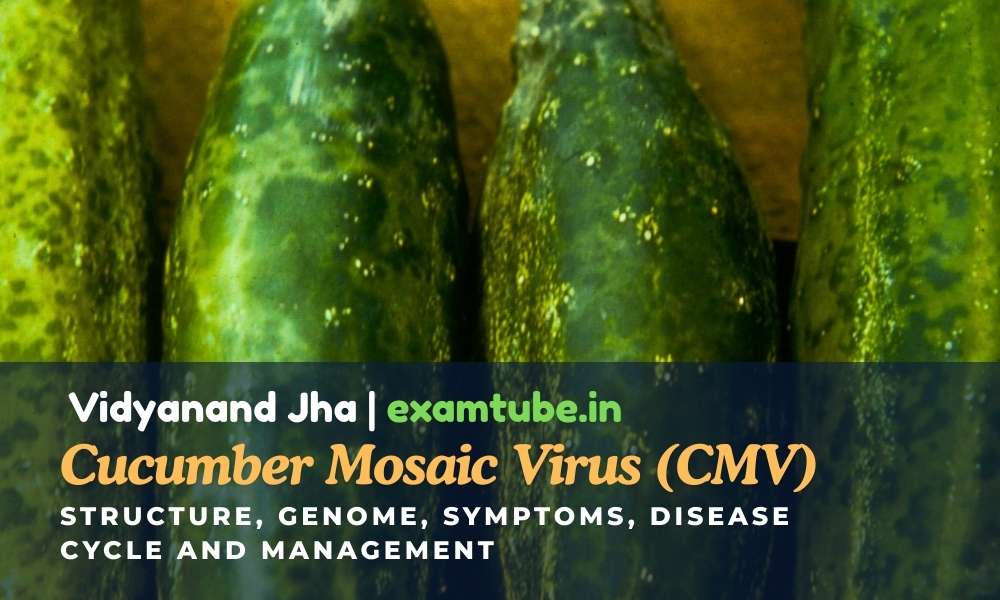
Cucumber Mosaic Virus (CMV): Structure, Genome, Symptoms, Disease Cycle and Management
Cucumber Mosaic Virus (CMV): Introduction and Importance Cucumber Mosaic Virus (CMV) (plant-infecting RNA virus) is one of the most economic...
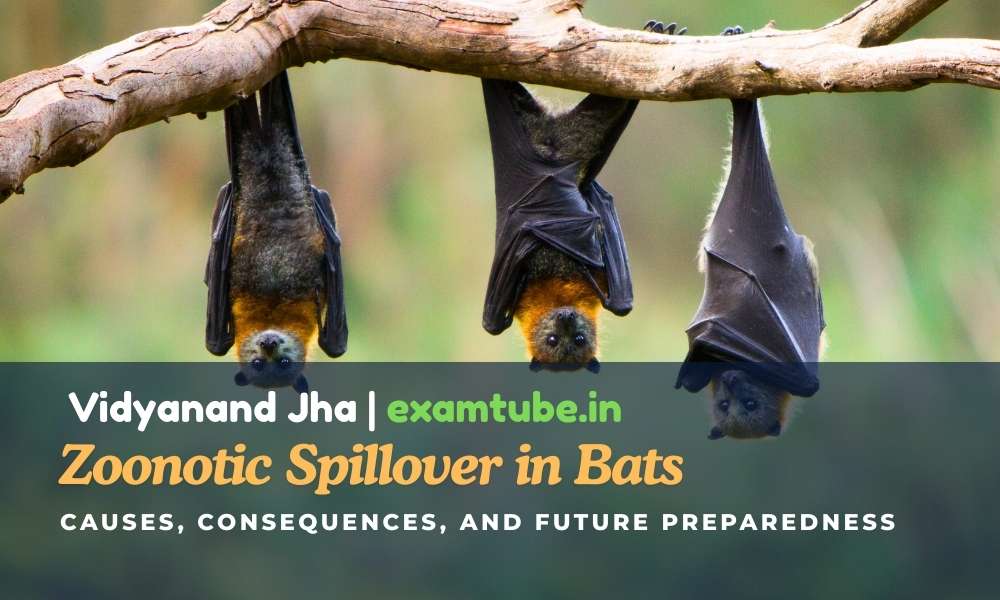
Zoonotic Spillover in Bats: Causes, Consequences, and Future Preparedness
Bats: General Characteristics and Classification Bats are small mammals capable of true sustained flight. They belong to the second-largest...