
Practice question
Question
Predators prefer prey with:
Explanation
Energy gained per handling time, E/h, is the standard measure of prey profitability after encounter. A high value means the predator obtains a large energetic return while spending relatively little time pursuing, subduing, or processing the item. Optimal diet theory ranks such prey above items with low E/h and predicts their acceptance whenever encountered, assuming capture risk and nutritional constraints are comparable. High search time concerns how frequently prey are found rather than their handling profitability. Equal profitability provides no preference without other differences. Selection for high E/h increases the predator's potential long-term intake rate and leaves more time for additional foraging or other activities. At population level, this mechanism can influence abundance, coexistence, and evolutionary selection. Separating immediate individual effects from longer-term community outcomes gives the selected concept a clearer ecological meaning and avoids relying only on memorized terminology. The relevant evidence concerns process rather than wording alone. Linking the described pattern to energetic returns, fitness consequences, or receiver responses makes the inference biologically coherent and distinguishes it from the competing alternatives.
Related blogs
Guides and insights connected to this topic

SARS-CoV-2 Coronavirus: Structure, Genome, Proteins, Replication, Pathogenesis, and Host Interaction
Coronavirus Overview Coronaviruses (CoVs) are enveloped viruses (surrounded by a lipid membrane derived from host cells), belonging to the s...

Cucumber Mosaic Virus (CMV): Structure, Genome, Symptoms, Disease Cycle and Management
Cucumber Mosaic Virus (CMV): Introduction and Importance Cucumber Mosaic Virus (CMV) (plant-infecting RNA virus) is one of the most economic...
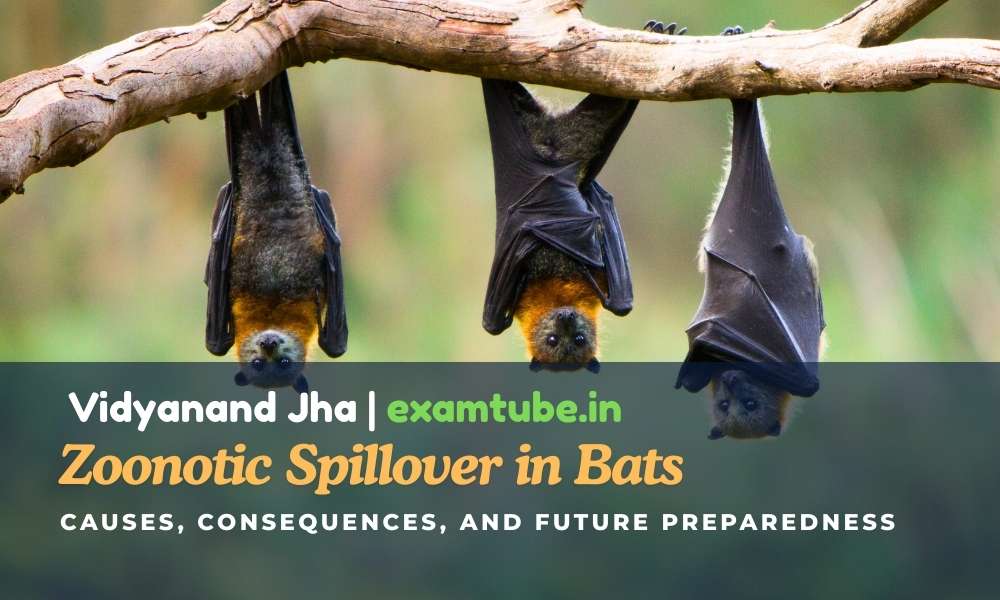
Zoonotic Spillover in Bats: Causes, Consequences, and Future Preparedness
Bats: General Characteristics and Classification Bats are small mammals capable of true sustained flight. They belong to the second-largest...