
Practice question
Question
Predator isocline shifts when:
Explanation
Introducing an additional prey species changes the total food available to a predator at any given density of the focal prey. In graphical predator-prey models, this can alter the prey density required for zero predator population growth and therefore shift the predator's zero-growth isocline. Alternative prey may subsidize predator persistence, sometimes increasing apparent competition and predation pressure on the focal prey. Predator reproduction is already represented by movement relative to its isocline rather than automatically shifting the curve, while removing prey may eliminate the modeled interaction altogether. Behavioral change can modify parameters, but the explicit community change most clearly associated with an isocline shift here is additional prey. This interpretation follows ecological definitions based on effects on fitness, energy flow, behavior, and population performance. It also shows why superficially similar alternatives can represent different mechanisms once the direction of benefit, harm, or resource transfer is considered. The distinction is biologically useful because ecological labels summarize mechanisms that generate testable predictions. Evaluating costs, benefits, timing, and the identities of interacting organisms prevents confusion between terms that may look similar in a short description.
Related blogs
Guides and insights connected to this topic

Coronavirus Structure, Genome, Replication, Symptoms, Pathogenesis, and Prevention
Structure of Coronavirus Coronaviruses (enveloped RNA viruses) fall in the virus family Coronaviridae, order Nidovirales. They are enveloped...

Cucumber Mosaic Virus (CMV): Structure, Genome, Symptoms, Disease Cycle and Management
Cucumber Mosaic Virus (CMV): Introduction and Importance Cucumber Mosaic Virus (CMV) (plant-infecting RNA virus) is one of the most economic...
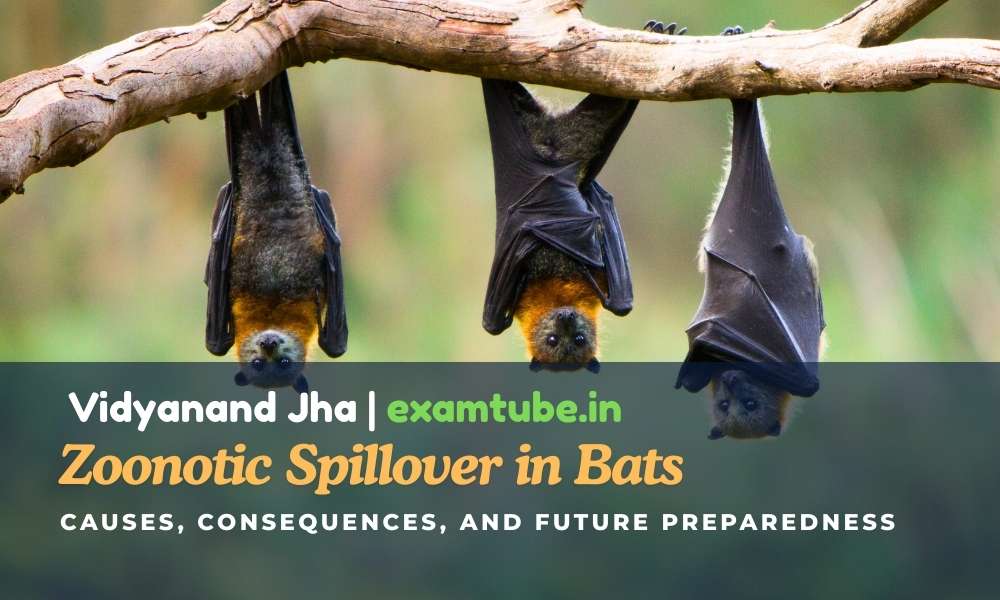
Zoonotic Spillover in Bats: Causes, Consequences, and Future Preparedness
Bats: General Characteristics and Classification Bats are small mammals capable of true sustained flight. They belong to the second-largest...