
Practice question
Question
Learning in tadpoles suggests:
Explanation
Learning is a form of phenotypic or developmental plasticity because an individual's behavior changes with experience without requiring a change in DNA sequence across generations. Tadpoles can associate predator odors with alarm cues, alter activity, or adjust escape responses after exposure, thereby matching behavior to local risk. A purely reflexive or fixed innate response would be expressed without relevant experience and would show limited modification through training. Genetic change requires differential inheritance across generations, not behavioral adjustment within one lifetime. Experience-dependent escape behavior therefore demonstrates that the developing phenotype can respond flexibly to environmental information, potentially improving survival in variable predator communities. The distinction is biologically useful because ecological labels summarize mechanisms that generate testable predictions. Evaluating costs, benefits, timing, and the identities of interacting organisms prevents confusion between terms that may look similar in a short description. Mechanistic reasoning is essential here: classifications should follow measurable consequences for survival, reproduction, resource acquisition, or detection. Context can modify interaction strength, but it does not erase the defining contrast among the alternatives presented.
Related blogs
Guides and insights connected to this topic

Coronavirus Structure, Genome, Replication, Symptoms, Pathogenesis, and Prevention
Structure of Coronavirus Coronaviruses (enveloped RNA viruses) fall in the virus family Coronaviridae, order Nidovirales. They are enveloped...
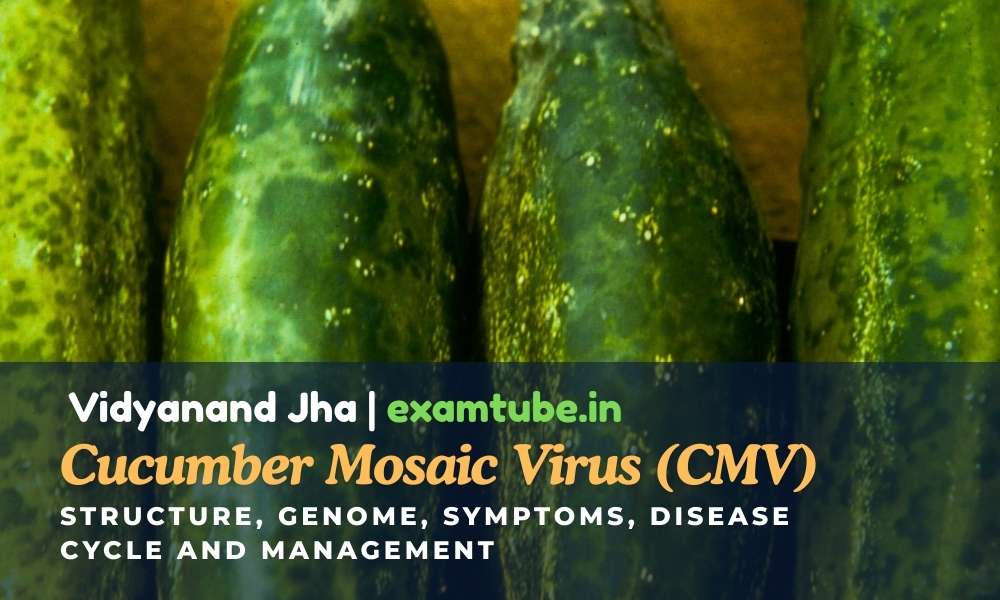
Cucumber Mosaic Virus (CMV): Structure, Genome, Symptoms, Disease Cycle and Management
Cucumber Mosaic Virus (CMV): Introduction and Importance Cucumber Mosaic Virus (CMV) (plant-infecting RNA virus) is one of the most economic...
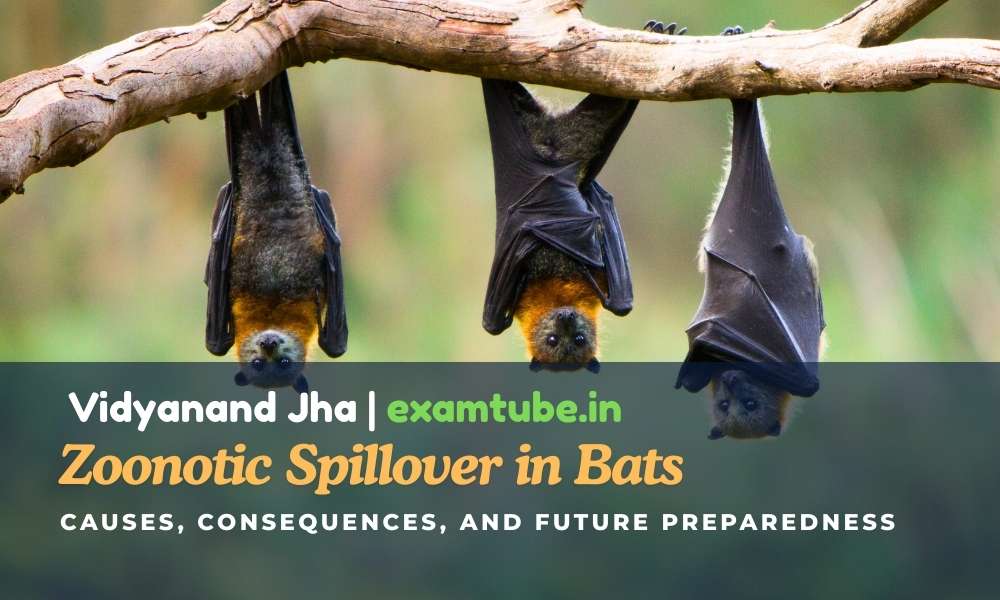
Zoonotic Spillover in Bats: Causes, Consequences, and Future Preparedness
Bats: General Characteristics and Classification Bats are small mammals capable of true sustained flight. They belong to the second-largest...