
Practice question
Question
Keystone hypothesis describes species that:
Explanation
A keystone species has an effect on community structure or ecosystem function that is disproportionately large relative to its abundance or biomass. Through predation, habitat modification, mutualism, or another strong interaction, it can regulate many species and processes. A functional relationship should be interpreted by asking whether change is gradual, buffered, abrupt, or irregular. Gradual loss is consistent with accumulating contributions; an initial plateau suggests compensation; an abrupt drop points to loss of a disproportionately important species; and an irregular curve indicates identity-dependent effects. These are conceptual expectations, not immutable laws. Different ecosystem processes—such as productivity, decomposition, pollination, or resistance—may follow different curves in the same community because they depend on different organisms and interactions. In this context, the keyed term, Affect community disproportionately, identifies the relevant mechanism or quantitative relationship and links the observed pattern to its underlying ecological cause. The distinction is testable by measuring changes in organisms, resources, or process rates through time rather than relying on the label alone.
Related blogs
Guides and insights connected to this topic

SARS-CoV-2 Coronavirus: Structure, Genome, Proteins, Replication, Pathogenesis, and Host Interaction
Coronavirus Overview Coronaviruses (CoVs) are enveloped viruses (surrounded by a lipid membrane derived from host cells), belonging to the s...
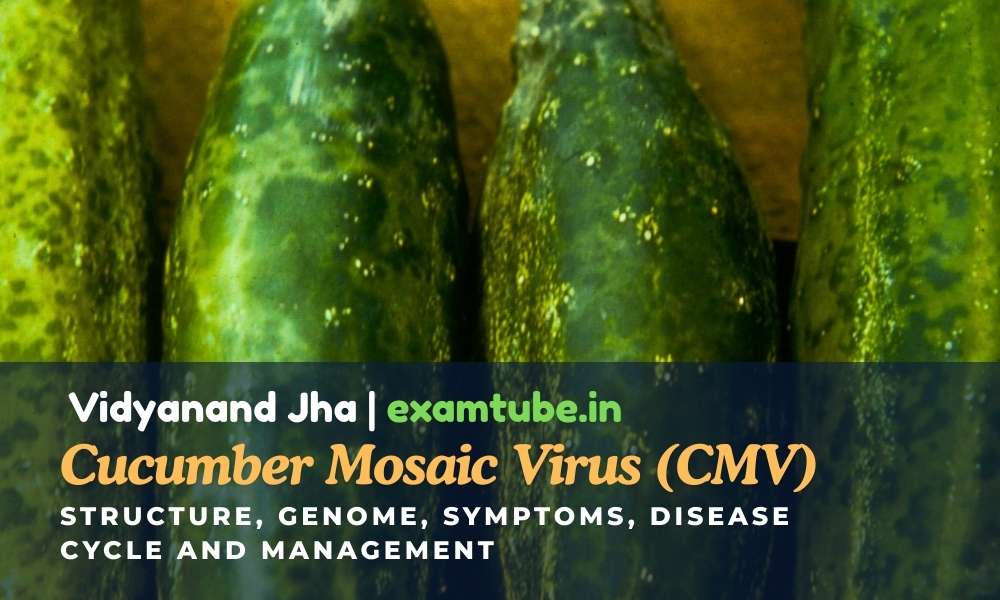
Cucumber Mosaic Virus (CMV): Structure, Genome, Symptoms, Disease Cycle and Management
Cucumber Mosaic Virus (CMV): Introduction and Importance Cucumber Mosaic Virus (CMV) (plant-infecting RNA virus) is one of the most economic...
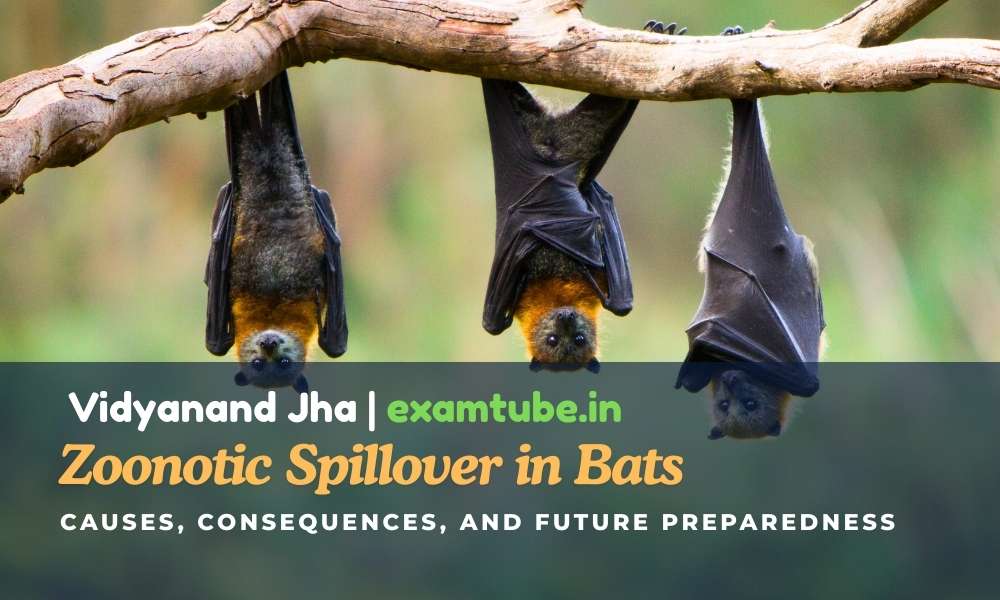
Zoonotic Spillover in Bats: Causes, Consequences, and Future Preparedness
Bats: General Characteristics and Classification Bats are small mammals capable of true sustained flight. They belong to the second-largest...