
Practice question
Question
In primer design, self-complementarity results in
Explanation
Self-complementarity in primers, particularly at 3' termini, enables undesirable interaction between two primer molecules or identical molecules, generating primer-dimer artifacts. During annealing, complementary bases pair transiently, and polymerase extends each primer using the other as template, creating short double-stranded products that accumulate exponentially and compete aggressively with target amplicon for reagents. This reduces overall yield, generates low-molecular-weight bands on gels, and interferes with quantitative assays like real-time PCR and melt curve analysis. Effective design avoids self-complementary stretches and evaluates 3' complementarity scores using specialized software.
Related blogs
Guides and insights connected to this topic
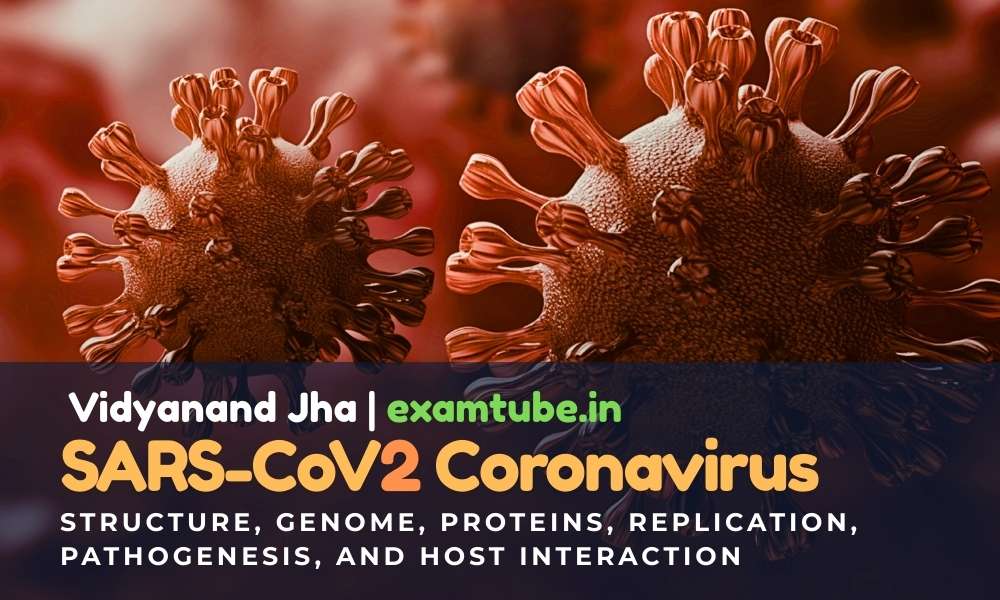
SARS-CoV-2 Coronavirus: Structure, Genome, Proteins, Replication, Pathogenesis, and Host Interaction
Coronavirus Overview Coronaviruses (CoVs) are enveloped viruses (surrounded by a lipid membrane derived from host cells), belonging to the s...
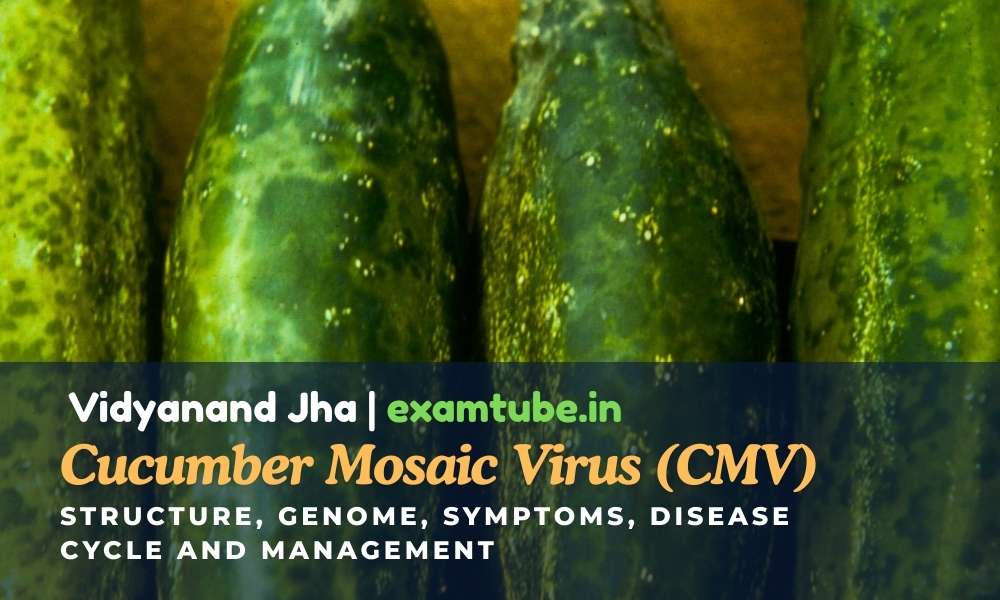
Cucumber Mosaic Virus (CMV): Structure, Genome, Symptoms, Disease Cycle and Management
Cucumber Mosaic Virus (CMV): Introduction and Importance Cucumber Mosaic Virus (CMV) (plant-infecting RNA virus) is one of the most economic...

Zoonotic Spillover in Bats: Causes, Consequences, and Future Preparedness
Bats: General Characteristics and Classification Bats are small mammals capable of true sustained flight. They belong to the second-largest...