
Practice question
Question
In aquatic systems, why is assimilation efficiency higher?
Explanation
Aquatic primary producers, especially phytoplankton, are often highly digestible because they contain little cellulose, lignin, or long-lived support tissue. Consumers can therefore absorb a large fraction of ingested material, producing higher assimilation efficiency than herbivores feeding on woody or fibrous terrestrial plants. The mechanism is food quality, not simply oxygen supply or species diversity. Aquatic detritus and heavily defended algae can be poorly assimilated, so the pattern is strongest when comparing zooplankton–phytoplankton links with terrestrial herbivory. Decomposition rate therefore emerges from interactions among substrate chemistry, decomposer traits, temperature, water, oxygen, and nutrient balance rather than from a single universal control. At ecosystem scale, these reactions regulate soil fertility, atmospheric carbon exchange, detrital food webs, and the residence time of organic matter. Mass loss alone cannot identify mechanism, because leaching, fragmentation, respiration, assimilation, and stabilization can produce different fates for carbon and nutrients. The distinction between gross transformation and net nutrient release is important: simultaneous microbial uptake can conceal substantial biochemical turnover.
Related blogs
Guides and insights connected to this topic

SARS-CoV-2 Coronavirus: Structure, Genome, Proteins, Replication, Pathogenesis, and Host Interaction
Coronavirus Overview Coronaviruses (CoVs) are enveloped viruses (surrounded by a lipid membrane derived from host cells), belonging to the s...

Cucumber Mosaic Virus (CMV): Structure, Genome, Symptoms, Disease Cycle and Management
Cucumber Mosaic Virus (CMV): Introduction and Importance Cucumber Mosaic Virus (CMV) (plant-infecting RNA virus) is one of the most economic...
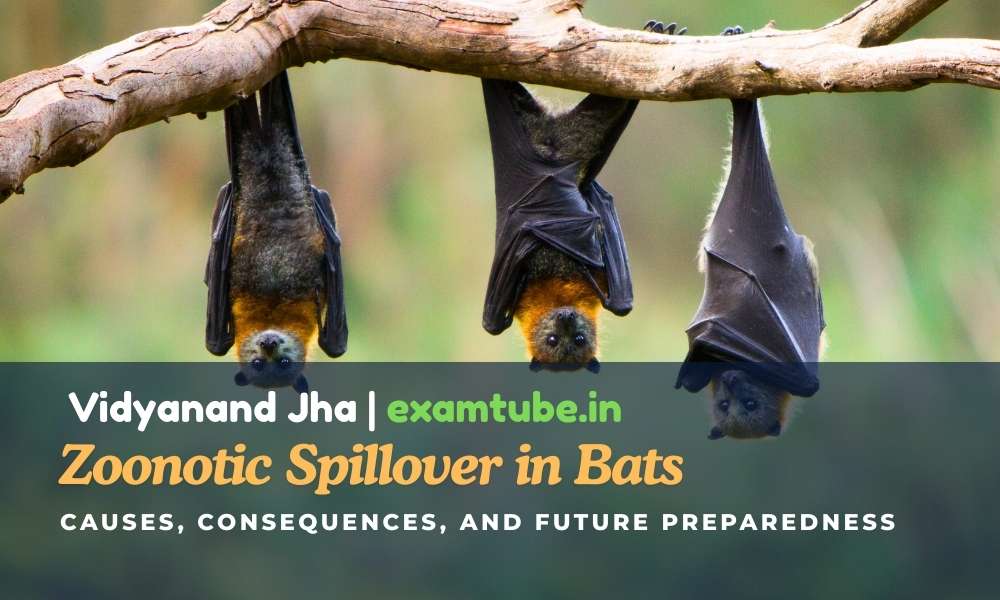
Zoonotic Spillover in Bats: Causes, Consequences, and Future Preparedness
Bats: General Characteristics and Classification Bats are small mammals capable of true sustained flight. They belong to the second-largest...