
Practice question
Question
A circular DNA digested with 2 asymmetric sites gives:
Explanation
Circular DNA cleaved at two distinct positions yields as many fragments as cuts. Asymmetric sites divide circle into two arcs of different contour lengths, producing two double-stranded fragments of unequal size. Complete digestion separates circle into those two linear pieces. Agarose gel resolves them as two distinct bands with different migration. Symmetric sites would give one band due to co-migration. One band would indicate single site, three bands would need three sites. Therefore two asymmetric sites logically generate two bands.
Related blogs
Guides and insights connected to this topic
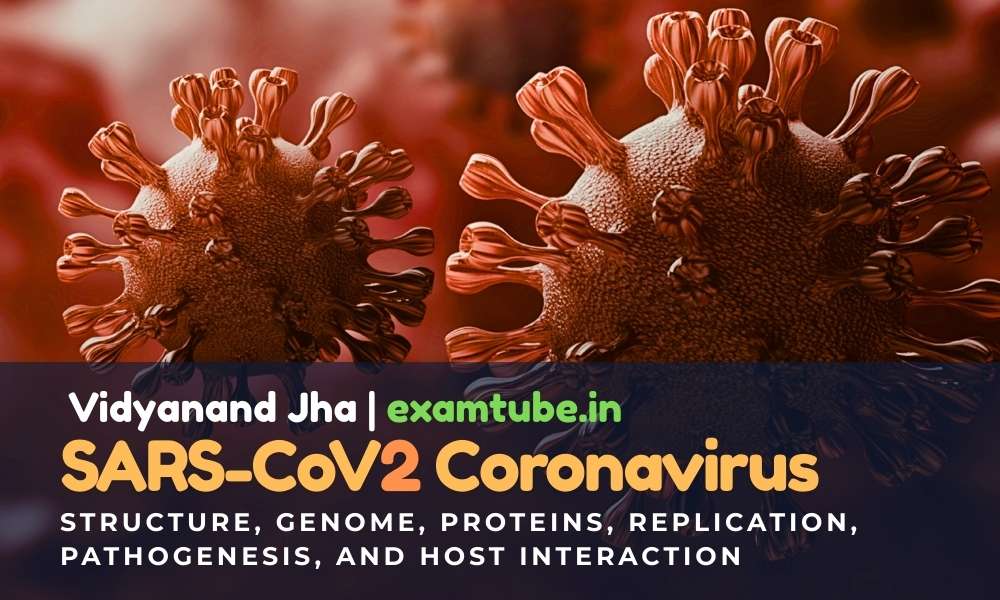
SARS-CoV-2 Coronavirus: Structure, Genome, Proteins, Replication, Pathogenesis, and Host Interaction
Coronavirus Overview Coronaviruses (CoVs) are enveloped viruses (surrounded by a lipid membrane derived from host cells), belonging to the s...
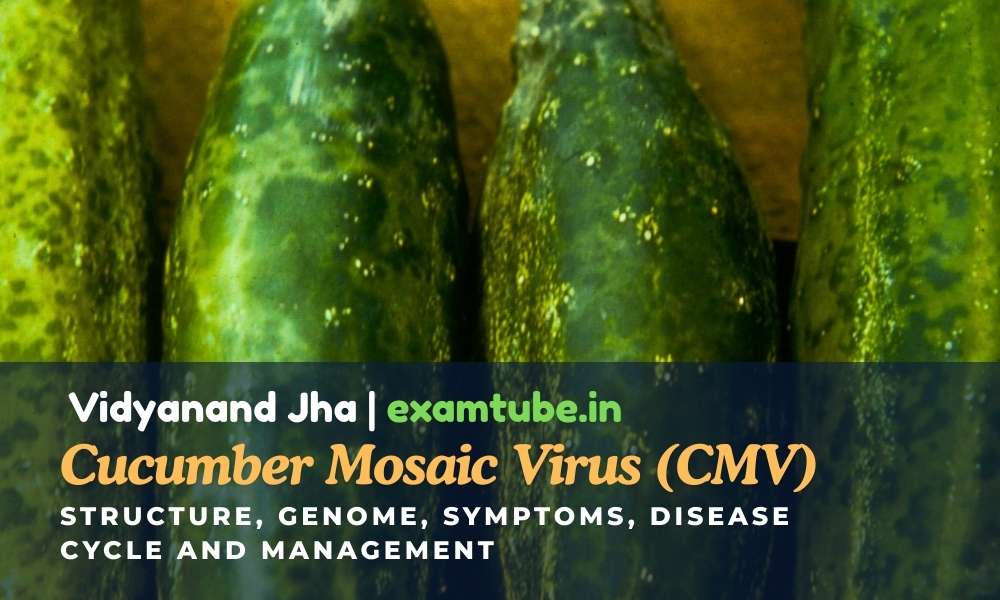
Cucumber Mosaic Virus (CMV): Structure, Genome, Symptoms, Disease Cycle and Management
Cucumber Mosaic Virus (CMV): Introduction and Importance Cucumber Mosaic Virus (CMV) (plant-infecting RNA virus) is one of the most economic...

Zoonotic Spillover in Bats: Causes, Consequences, and Future Preparedness
Bats: General Characteristics and Classification Bats are small mammals capable of true sustained flight. They belong to the second-largest...