
Practice question
Question
Which pollutants are associated with endocrine disruption?
Explanation
PCBs and environmental estrogens can disrupt endocrine function. Estrogens directly activate estrogen receptors, whereas PCB congeners or their metabolites may mimic hormones, antagonise receptors, or alter hormone synthesis, transport, and metabolism. The outcomes include changed development, reproduction, sex differentiation, and fertility. Carbon dioxide and methane primarily affect climate, while nitrate and phosphate are chiefly associated with nutrient enrichment rather than this specific toxic mechanism. Community-level consequences can emerge when physiological injury changes survival, reproduction, species interactions, or the flow of energy through food webs. Aquatic effects depend on chemical form, persistence, solubility, dose, and the capacity of organisms to metabolise or excrete the substance. Catchment processes connect land use with rivers, lakes, estuaries, and coastal waters, so prevention at the source is usually more effective than downstream treatment. Ecological assessment distinguishes hazard from risk: a substance may be intrinsically harmful, but realised impact also requires sufficient environmental exposure. Sensitive developmental stages may respond at concentrations that cause little immediate adult mortality, making reproduction and recruitment essential endpoints.
Related blogs
Guides and insights connected to this topic

Cucumber Mosaic Virus (CMV): Structure, Genome, Symptoms, Disease Cycle and Management
Cucumber Mosaic Virus (CMV): Introduction and Importance Cucumber Mosaic Virus (CMV) (plant-infecting RNA virus) is one of the most economic...
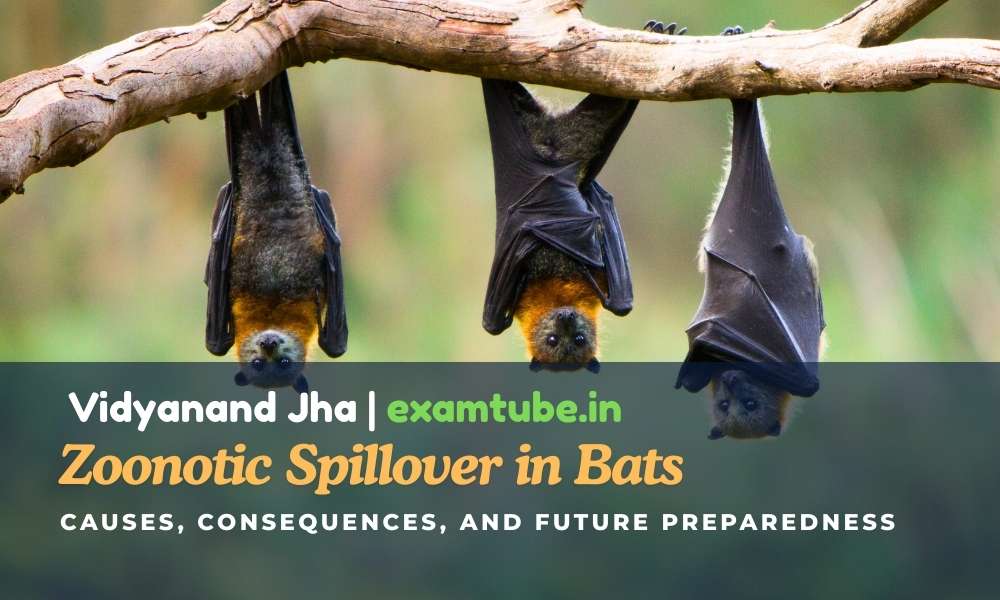
Zoonotic Spillover in Bats: Causes, Consequences, and Future Preparedness
Bats: General Characteristics and Classification Bats are small mammals capable of true sustained flight. They belong to the second-largest...

Human Astrovirus- An Introduction
Structure of Human Astrovirus Human astrovirus (virus causing gastroenteritis in humans) falls under Astroviridae (virus family) and genus M...