
Practice question
Question
Which of the following best represents predator-prey co-evolution?
Explanation
Predator–prey coevolution involves reciprocal genetic change: adaptation in one species alters selection acting on the other. Improved prey escape traits, such as faster acceleration, vigilance, armor, toxins, or better camouflage, can reduce capture success. Predators may then be favored to evolve greater speed, enhanced sensory systems, detoxification, cooperative hunting, or altered tactics. This reciprocal escalation or counteradaptation is often called an evolutionary arms race, although trade-offs and ecological context can prevent indefinite improvement. Prey change alone demonstrates adaptation to predation; it becomes evidence of coevolution when predator populations subsequently evolve in response and the relevant traits are heritable. Predator extinction ends reciprocal interaction, constant prey growth ignores predation, and unchanged predator behavior provides no counterresponse. Coevolution can also be diffuse when several predator and prey species shape selection. Rigorous evidence compares traits and fitness across populations, uses common-garden or genomic approaches, and shows reciprocal selection rather than assuming it from correlated phenotypes. Better escape is therefore the clearest first step toward a coevolutionary dynamic.
Related blogs
Guides and insights connected to this topic
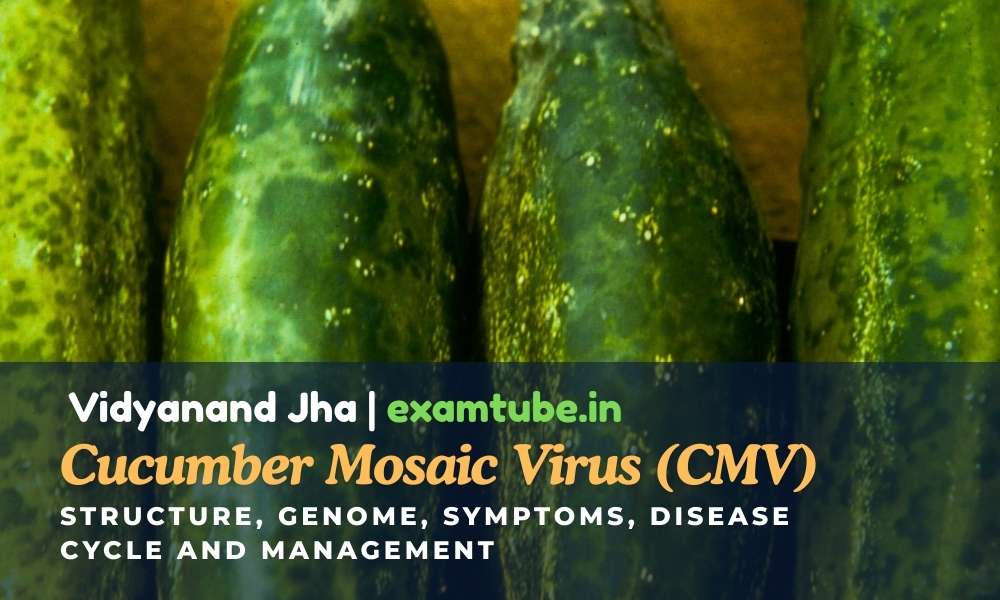
Cucumber Mosaic Virus (CMV): Structure, Genome, Symptoms, Disease Cycle and Management
Cucumber Mosaic Virus (CMV): Introduction and Importance Cucumber Mosaic Virus (CMV) (plant-infecting RNA virus) is one of the most economic...
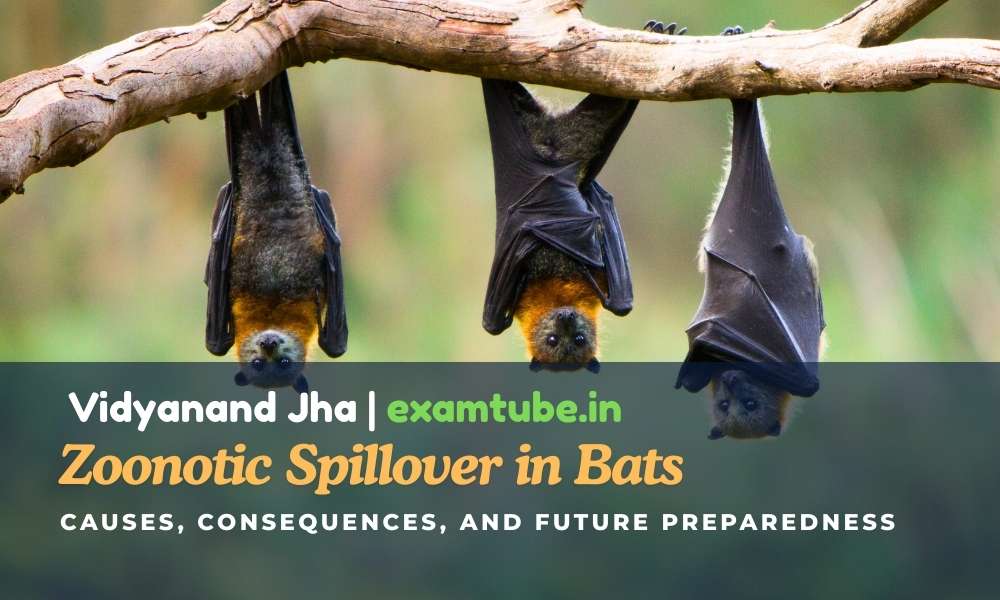
Zoonotic Spillover in Bats: Causes, Consequences, and Future Preparedness
Bats: General Characteristics and Classification Bats are small mammals capable of true sustained flight. They belong to the second-largest...
Preparation of Bacteriological Growth Media
Nutrient AgarPrinciple Nutrient agar allow the growth of a variety of microorganisms that do not usually require specific nutrients or suppl...