
Practice question
Question
What kind of mutation is produced if one allele has a nucleotide addition and the other a deletion?
Explanation
CRISPR editing of diploid mammalian cells can affect zero, one or both alleles. When Cas9 induces double strand breaks independently repaired by non-homologous end joining, distinct indel signatures arise per allele. If one chromosome acquires a single base insertion causing frameshift and homologous chromosome acquires base deletion at same locus, alleles carry different mutations yet both disrupted. This state is termed biallelic heterozygous or compound heterozygous mutant, differing from homozygous where both alleles share identical alteration and monoallelic where only one allele mutated.
Related blogs
Guides and insights connected to this topic

Zoonotic Spillover in Bats: Causes, Consequences, and Future Preparedness
Bats: General Characteristics and Classification Bats are small mammals capable of true sustained flight. They belong to the second-largest...

Human Astrovirus- An Introduction
Structure of Human Astrovirus Human astrovirus (virus causing gastroenteritis in humans) falls under Astroviridae (virus family) and genus M...
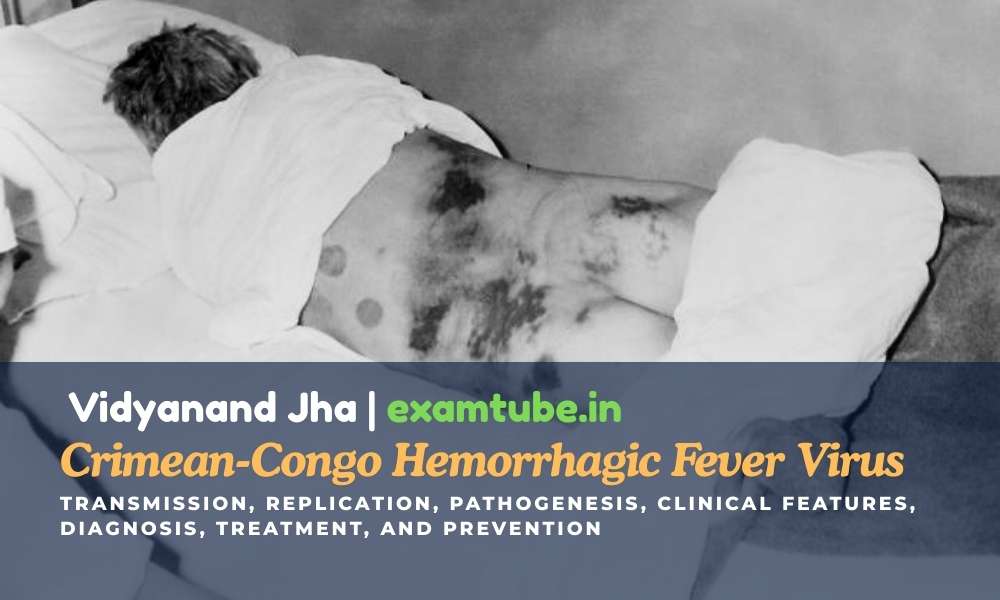
Crimean-Congo Hemorrhagic Fever Virus (CCHFV): Transmission, Replication, Pathogenesis, Clinical Features, Diagnosis, Treatment, and Prevention
Structure of Crimean-Congo Hemorrhagic Fever Virus Crimean-Congo hemorrhagic fever virus (– causative agent of CCHF) falls under the family...