
Practice question
Question
Recolonization of a previously extinct patch is an example of:
Explanation
The rescue effect and recolonization are related but distinct. Rescue occurs when immigrants enter a patch that is still occupied and prevent its local population from going extinct. Recolonization occurs after extinction, when dispersers establish a new population in an empty patch. Therefore, the wording “recolonization of a previously extinct patch” describes colonization following local extinction, not rescue in its strict ecological meaning. Movement of colonists is migration or dispersal, making that listed alternative closer to the mechanism, although “recolonization” itself would be the precise term if offered. This distinction matters in metapopulation models: rescue reduces the extinction probability of occupied patches, whereas recolonization increases the transition rate from empty to occupied. Both depend on landscape connectivity and sources of migrants. The preserved key conflates these processes and is scientifically inaccurate under standard definitions. A patch that has already lost every individual cannot be rescued from extinction; it can only be colonized again. Clear terminology helps separate persistence within patches from restoration of occupancy across the patch network.
Related blogs
Guides and insights connected to this topic

Cucumber Mosaic Virus (CMV): Structure, Genome, Symptoms, Disease Cycle and Management
Cucumber Mosaic Virus (CMV): Introduction and Importance Cucumber Mosaic Virus (CMV) (plant-infecting RNA virus) is one of the most economic...
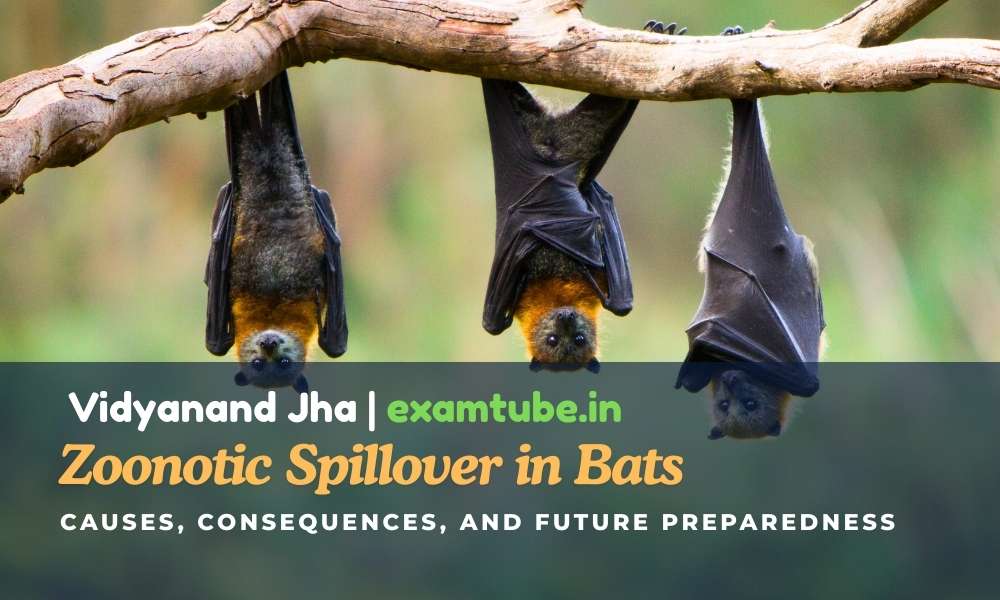
Zoonotic Spillover in Bats: Causes, Consequences, and Future Preparedness
Bats: General Characteristics and Classification Bats are small mammals capable of true sustained flight. They belong to the second-largest...

Prokaryotic Cytoskeleton and Its Functions
Prokaryotic Cytoskeleton and Its FunctionsProteins in prokaryotic cells play roles similar to those of the cytoskeleton in eukaryotic cells....