
Practice question
Question
In which scenario does mark-recapture fail?
Explanation
High mortality between marking and recapture violates the closure and equal-survival assumptions of the simple Lincoln–Petersen estimator. If marked individuals die disproportionately or many die before mixing, the number of marked recaptures R falls. Because N is estimated as MC/R, an artificially small R inflates the population estimate. Even equal mortality among marked and unmarked animals can undermine the interpretation if population size changes substantially during the interval. A closed population, uniform mixing, and equal marking or capture probabilities support rather than defeat the method. Marking itself must not increase mortality; otherwise marked animals cease to represent the population. Investigators reduce this problem by using harmless marks, shortening the interval, and applying multi-occasion survival models when closure is unrealistic. “Failure” need not mean no estimate can be calculated—it means the resulting estimate is biased or refers ambiguously to population size at different times. Reliable capture–recapture inference depends on preserving the marked fraction except through the same sampling processes experienced by all individuals.
Related blogs
Guides and insights connected to this topic
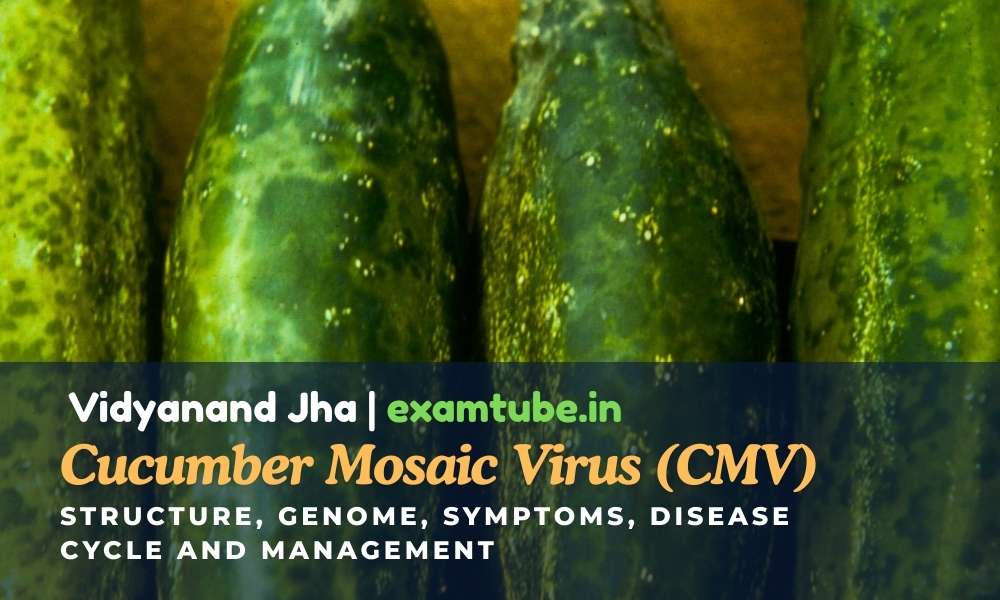
Cucumber Mosaic Virus (CMV): Structure, Genome, Symptoms, Disease Cycle and Management
Cucumber Mosaic Virus (CMV): Introduction and Importance Cucumber Mosaic Virus (CMV) (plant-infecting RNA virus) is one of the most economic...
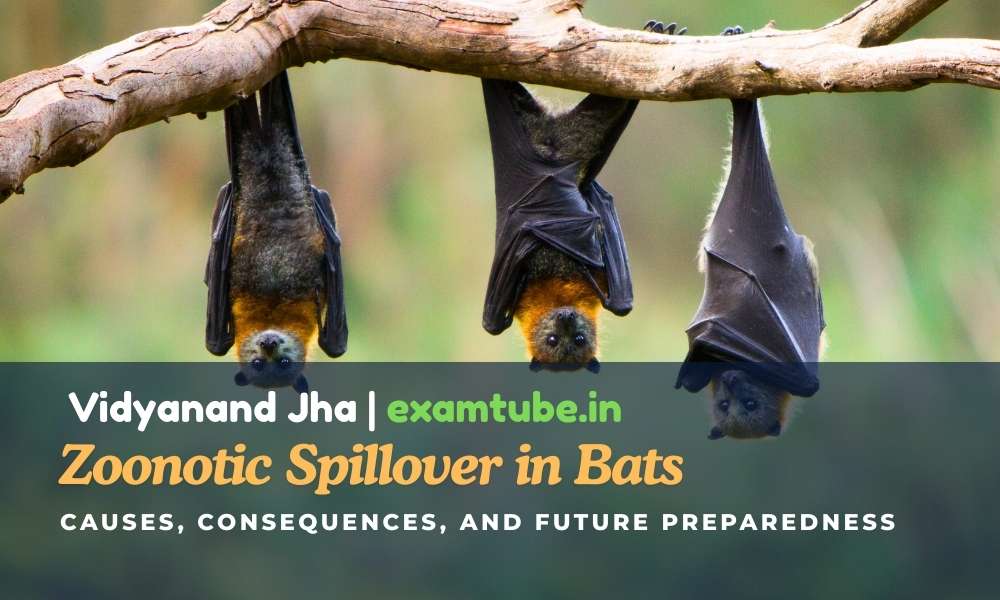
Zoonotic Spillover in Bats: Causes, Consequences, and Future Preparedness
Bats: General Characteristics and Classification Bats are small mammals capable of true sustained flight. They belong to the second-largest...
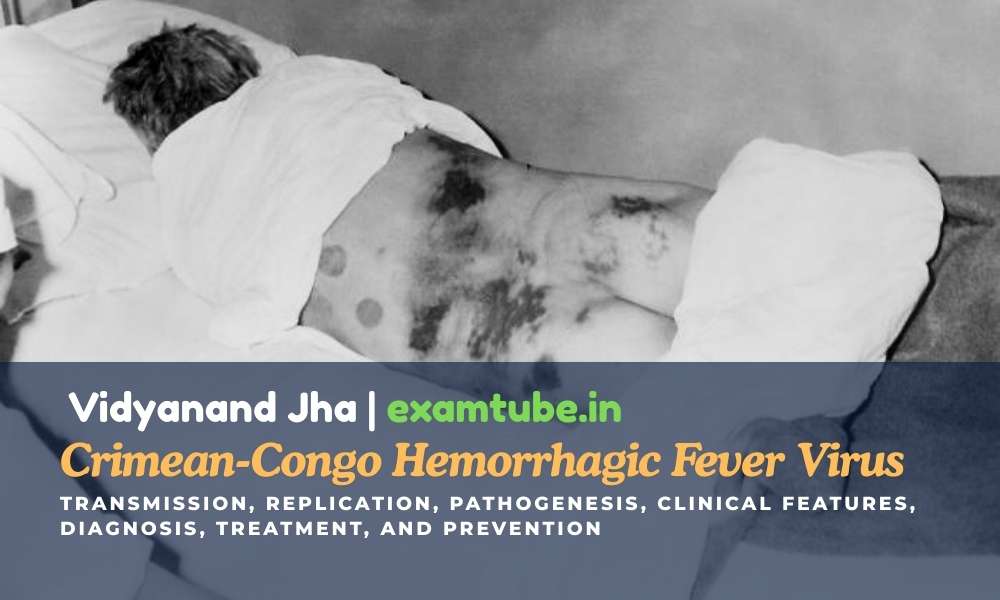
Crimean-Congo Hemorrhagic Fever Virus (CCHFV): Transmission, Replication, Pathogenesis, Clinical Features, Diagnosis, Treatment, and Prevention
Structure of Crimean-Congo Hemorrhagic Fever Virus Crimean-Congo hemorrhagic fever virus (– causative agent of CCHF) falls under the family...